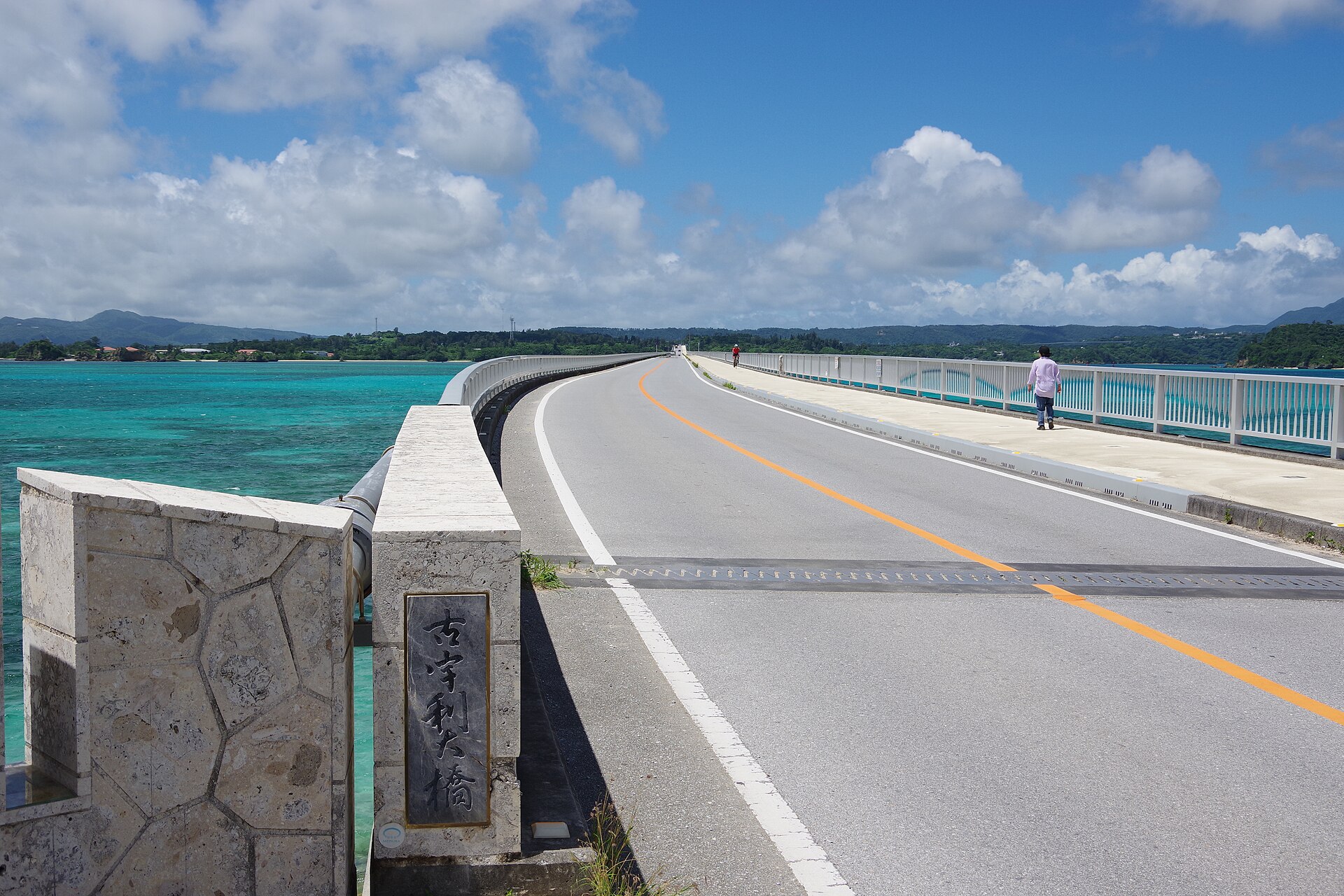
Before You Fly to Okinawa: Passport, Customs and Medicine Checklist for Americans
Naha is your first stop in Japan on the new SFO nonstop, so immigration, customs and Japan's strict medicine rules all happen there. Here's what to sort out at home, and when.
- Best time
- any month, but watch for typhoons in August and September
You step off the plane in Naha with a passport in one hand and a bag of pill bottles somewhere in your carry-on. On the new nonstop from San Francisco, Naha is your first stop in Japan, so quarantine, immigration and customs all happen right here. Most of what can go wrong at that counter is decided weeks earlier, at home.
This checklist covers the documents, the medicine rules and the customs limits, in the order you'll need them. It sticks to what Japan's government agencies say.
- First-time visitors to Japan on the SFO–Naha nonstop
- Anyone who takes prescription medicine every day
- Parents packing for the whole family
- Travelers bringing gifts or cash
- 1 monthPrescription medicine you can bring without paperwork, unless it contains a controlled substance
- 14 daysMinimum lead time for a narcotics or Vyvanse permit
- ¥200,000Duty-free limit for most other goods, per adult
- ¥1 millionCash or equivalent above which you must declare it
As of October 2026; Ministry of Health, Labour and Welfare and Japan Customs official sites
Passport and visa
US citizens don't need a visa for a trip of up to 90 days that involves no paid work, such as sightseeing or visiting family and friends. Japan's Ministry of Foreign Affairs lists the United States among its visa-exemption countries with a 90-day stay, and the Consulate-General of Japan in San Francisco spells out the no-paid-activities condition (as of October 2026, official sites).
- Passport. Bring your own US passport. Japan sets no minimum remaining validity, but the passport must be valid for your whole stay, and you need one blank page for the entry stamp (as of October 2026, Consulate-General of Japan in Seattle).
- On military orders? Follow your command's instructions for passport and arrival paperwork. Japan's immigration agency says people covered by the Status of Forces Agreement can't use Visit Japan Web's arrival record. Japan's medicine and customs rules on this page still apply.
- Driving? Your passport gets an entry stamp at the immigration counter (as of October 2026, Naha Airport official site). Rental companies need it with an International Driving Permit. See our driving guide.
Visit Japan Web
Visit Japan Web is the Japanese government's site for filling in arrival paperwork before you fly. It's run by the Digital Agency. Use the official address only: services.digital.go.jp/en/visit-japan-web.
Customs at Naha. Naha is one of seven airports with Japan Customs' electronic declaration gates. You fill in your customs declaration on Visit Japan Web and get a code. In the customs area, you scan that code and your passport at a kiosk, which also takes your photo, then walk through the gate (as of October 2026, Japan Customs official site).
- Your passport needs an IC chip for the gate.
- Every member of your group does the kiosk step on their own.
- Your bags can still be inspected, and the kiosk may send you to the inspection desk instead of the gate.
Immigration. Every new foreign visitor hands in an arrival record, sometimes called the ED card. Japan's Immigration Services Agency recommends filling it in on Visit Japan Web before you land, then showing the code to the immigration officer (as of October 2026, official site).
- Each family member needs their own entry and code.
- For a short tourist stay, enter 90 days or fewer as your length of stay. The agency says this field is often filled in wrong.
- Not comfortable with a phone? A paper arrival record is still accepted.
Paper customs form. If you'd rather not use the gate, there's a paper route. Naha Airport says everyone must hand in a customs declaration form, even with nothing to declare. Japan Customs says the forms are handed out on the plane and are also available at customs (all as of October 2026, official sites).
Medicines: what you can and can't bring
This is the part that catches Americans out. Japan's rules are stricter than many US travelers expect, and some common US prescriptions are banned outright. Check each bottle against this list before you pack.
Psychotropics: the limits. The amounts are the total of the drug itself, so 30 tablets of 10 mg zolpidem count as 300 mg. A few of the limits in the Narcotics Control Department's table (as of October 2026, official site):
| Drug | Limit without a doctor's certificate |
|---|---|
| Zolpidem | 300 mg |
| Alprazolam | 72 mg |
| Lorazepam | 90 mg |
| Clonazepam | 180 mg |
| Diazepam | 1.2 g |
| Methylphenidate | 2.16 g |
The full table lists dozens more, so look up your own medicine in the ministry's table (PDF). The certificate should give your name, your condition, why you need the medicine, each medicine with its dose and strength, the doctor's signature and the date. Bringing more than a one-month supply of a psychotropic? Contact the health ministry first; the address is on the Narcotics Control Department's page.
Ordinary medicine over the limits above? Apply online for an Import Confirmation and get it before you leave home. Show it to the customs officer at Naha. The health ministry handles questions about Naha arrivals through its Kinki regional bureau, and the contact address is on the ministry's medicine page (as of October 2026, official site).
Where to apply for a narcotics or Vyvanse permit. Send it to the narcotics control office that covers the airport where you first land. On the SFO nonstop, that's Naha. The forms and office list are on the Narcotics Control Department's page. Apply at least 14 days ahead; late applications may not be processed in time.
- Each person must carry their own permitted medicine. You can't mail it or have a family member carry it for you.
- Flying home with leftovers? Ask for an export permit in the same application.
We can't tell you whether a particular medicine is allowed. If you aren't sure, ask the ministry before you fly, and talk to your doctor about alternatives.
Customs and duty-free allowances
Most travelers' bags fit well inside the limits. These are the duty-free amounts for each adult (all as of October 2026, Japan Customs official site):
| Item | Duty-free per adult |
|---|---|
| Alcoholic drinks | 3 bottles, about 760 ml each |
| Cigarettes | 200 |
| Cigars | 50 |
| Heated tobacco | 10 packs |
| Other tobacco | 250 g |
| Perfume | 2 oz |
| Other goods | Total overseas value under ¥200,000 (goods of the same kind totaling ¥10,000 or less don't count toward it) (as of October 2026, official site) |
Tobacco amounts are for one kind only; mixed kinds share a 250 g total. There's no alcohol or tobacco allowance for travelers under 20. A single item worth over ¥200,000 is taxed on its full value (all as of October 2026, Japan Customs official site).
- Cash. Declare cash, checks and similar items worth more than ¥1 million in total.
- Never bring: narcotics and cannabis, guns and ammunition, explosives, counterfeit money or cards, obscene material and fake brand goods. This isn't the full list; Japan Customs has it.
- Food, plants and animal products go through separate quarantine checks. Naha Airport points to the quarantine offices for these, so check before you pack fruit, meat or seeds (all as of October 2026, official sites).
Power plugs, voltage and phones
Japan's standard voltage is 100V, and outlets take Type A plugs (as of October 2026, JNTO). JNTO notes that visitors from overseas may need a plug adapter.
- Check the label on each charger and appliance, and see whether its input range includes 100V.
- Phones: sort out an eSIM or roaming plan before you fly, so maps work on the drive from the airport. Our phone and eSIM guide compares the options, and our first-night guide covers Wi-Fi at Naha Airport.
When to do what
- As early as you canCheck every medicine against the rules, including cold medicine. Apply for a narcotics or Vyvanse permit, or an Import Confirmation, if needed.
- 14 days outYour narcotics or Vyvanse permit application should be in by now.
- A few days outFill in Visit Japan Web. Check your passport and charger labels.
- Day beforePack your medicines with any permit or confirmation, where you can reach them at customs.
- At NahaQuarantine, immigration (passport stamp), bags, then customs: gate or paper form.
As of October 2026; MHLW, Japan Customs and Naha Airport official sites
Printable checklist
- [ ] US passport, checked for validity
- [ ] Visit Japan Web filled in (customs code saved on your phone)
- [ ] Every medicine checked against the health ministry's rules
- [ ] Narcotics or Vyvanse permit, or Import Confirmation, if needed, ready to show at customs
- [ ] Medicines and their paperwork packed together, where you can reach them
- [ ] Alcohol, tobacco and gifts within the duty-free limits
- [ ] Cash under ¥1 million, or ready to declare (as of October 2026, Japan Customs official site)
- [ ] Chargers that accept 100V, plus a plug adapter if needed
- [ ] International Driving Permit, if you'll rent a car
- [ ] Phone plan or eSIM sorted
When to go
The rules don't change with the seasons, but flights do. Typhoons come near Okinawa most often in August and September (Japan Meteorological Agency, 1991–2020 averages), and a storm can cancel flights for a day or more. In those months, check your airline's flight status before you leave for the airport, and follow the Japan Meteorological Agency for typhoon information.
Official info
- Ministry of Health, Labour and Welfare — medicines for personal use
- Narcotics Control Department — narcotics, psychotropics and stimulants
- Japan Customs — allowances and prohibited items
- Japan Customs — electronic declaration gates
- Visit Japan Web
- Naha Airport — international arrivals
Next: plan the flight itself with our SFO–Naha nonstop guide, then your first evening with Landing in Naha in the Afternoon.
Sources
- Ministry of Health, Labour and Welfare — bringing medicines into Japan for personal use
- MHLW Narcotics Control Department — bringing medicines containing narcotics, psychotropics or stimulants
- Japan Customs — duty-free allowances and prohibited items for passengers
- Japan Customs — Electronic Customs Declaration Gates
- Naha Airport — international arrival route
- JNTO — FAQ (electricity, visas, medicines)
- Visit Japan Web (Digital Agency)
- Ministry of Foreign Affairs of Japan — visa exemption arrangements
- Consulate-General of Japan in San Francisco — visa information
- Consulate-General of Japan in Seattle — traveling to Japan quick facts
- Immigration Services Agency of Japan — arrival record (ED card) and Visit Japan Web (Japanese)
- Visit Japan Web — how to use
- MHLW Narcotics Control Department — table of psychotropics amounts (PDF)
- Japan Meteorological Agency — typhoon normals