5 Days in Okinawa on the SFO Nonstop: A First-Timer's Itinerary
A day-by-day Okinawa plan built around United's new San Francisco–Naha flight, from a 3:50 pm landing to a 5:50 pm departure. Naha, Shuri, Chatan and the north, with what to book before you go.
- Best fit
- land Friday, fly home Tuesday
- Best time
- late March to early May, before the rainy season

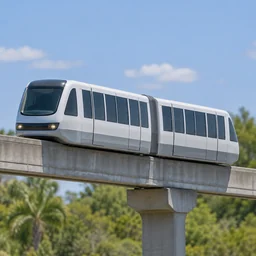
It's Friday afternoon at Naha Airport, and the nonstop from San Francisco is scheduled to touch down at 3:50 pm (as of October 2026, united.com flight search). You clear the airport, walk to Naha Airport Station and ride the Yui Rail monorail into the capital. By dinner you're on Kokusai-dori, Naha's main street, about a mile of restaurants and souvenir shops between two monorail stations.
Most Okinawa itineraries assume a morning arrival from Tokyo. This one is built for first-timers on the new United flight, which lands mid-afternoon and leaves in the early evening, so neither end of the trip goes to waste.
- First-time visitors to Okinawa
- Travelers on the SFO–Naha nonstop
- Five days with a Friday arrival and a Tuesday flight home
- Mar 27, 2027First SFO–Naha nonstop, announced by United
- 3 a weekFlights in each direction
- 3:50 pmScheduled landing in Naha (UA833)
- ¥1,000Yui Rail one-day ticket (about $6.30)
As of October 2026; start date and frequency from United's announcement, landing time from United's official flight search, fare from Yui Rail's official site
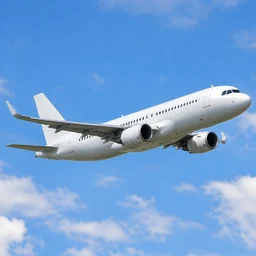
Flight status as of October 2026: United has announced San Francisco–Okinawa (Naha) service from March 27, 2027, three times a week on a Boeing 777-200ER, and says all new routes still need government approval. The outbound times below are from United's own flight search; the return flight's times are still from news reports. Schedules can change, so check united.com before you build your dates around them. → Full flight guide
The flight times that shape your trip
Here is the schedule as it stands:
| Flight | Days | Departs | Arrives | |
|---|---|---|---|---|
| SFO → Naha | UA833 (as of October 2026, united.com flight search) | Mon, Thu, Sat | 10:35 am | 3:50 pm, next day |
| Naha → SFO | UA834 (reported by Japanese media, unconfirmed) | Tue, Fri, Sun | 5:50 pm | 12:50 pm, same day |
For the flight out, we looked up the March 27 and March 29, 2027 departures on United's flight search: UA833 leaves SFO at 10:35 am and lands in Naha at 3:50 pm the next day, after 13 hours 15 minutes in the air (as of October 2026, united.com flight search). The days of the week come from Aviation Wire, a Japanese aviation news site, which reported them in August 2026. We haven't checked the return flight on United yet, so its number and times are as reported, not confirmed.
You cross the International Date Line, so a Thursday departure from SFO lands on Friday, and on the way home you reach San Francisco "before" you left Naha by the clock.
With three flights each way per week, not every trip length works. Here is how the days line up:
| You land in Naha | Fly home | Days on the ground |
|---|---|---|
| Friday | Tuesday | 5 (this plan) |
| Sunday | Friday | 6 (add a beach or island day) |
| Tuesday | Sunday | 6 (add a beach or island day) |
| Tuesday | Friday | 4 (drop Day 2 or Day 3) |
Only Friday to Tuesday gives exactly five days, so the plan below uses those day names. If you land on another day, keep the same order. Days 1–2 need no car; rent one for Days 3–4.
Day 1 (Friday): land in Naha
You won't be out of the airport until late afternoon, so keep the first evening simple and stay in Naha, the capital, for the first two nights.
- About 3:50 pmScheduled landing at Naha Airport.
- Late afternoonRide the Yui Rail from Naha Airport Station to Prefectural Office (Kenchomae) or Makishi, the two stops for Kokusai-dori.
- EveningDinner on Kokusai-dori, about 1.6 km (1 mile) of restaurants and souvenir shops between those two stations. An easy first walk on tired legs.
- NightGo to bed early. You've lost a day crossing the Pacific, and Day 2 starts on a hill.
As of October 2026; landing time from United's official flight search, the rest from Yui Rail's official site
A QR one-day monorail ticket costs ¥1,000 (about $6.30) and is good for 24 hours from purchase; a two-day ticket is ¥1,800 (about $11.40). A one-day ticket bought on arrival runs out the next afternoon; the two-day ticket covers all of Day 2 (as of October 2026, official site).
Day 2 (Saturday): Shuri and old Naha
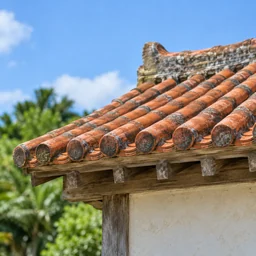
Shuri Castle (Shurijo) was the seat of the Ryukyu Kingdom, which ruled these islands before they became part of Japan. Its main hall, the Seiden, burned in October 2019 and has been rebuilt.
- MorningYui Rail to Shuri Station, then walk to Shuri Castle.
- AfternoonRide back to Makishi and walk to the First Makishi Public Market.
- The Seiden reopens on November 23, 2026, months before the first SFO flight, so by spring 2027 you can see the finished hall. Going inside the main hall needs a timed online reservation (30-minute slots, booked through the Webket site linked from the park's ticket guide). For visits from January 2027, sales open at 13:00 Japan time on the 1st of the month, two months ahead: for a trip in early April 2027, that means February 1. The rest of the paid area needs no reservation (all as of October 2026, official site).
- Getting there: the park's access page says Shureimon, the castle's famous gate, is about 15 minutes' walk from Shuri Station. Its ticket guide allows about 20 minutes to the Suimui-kan visitor center, 5 more to Shureimon and about 15 more uphill to the Hoshinmon ticket gate, so leave time before a timed slot. From Naha Airport Station the fare is ¥360 (about $2.30), according to Yui Rail's fare table, or use your day ticket.
- Admission (paid area, from November 23, 2026): ¥1,000 for adults (about $6), ¥760 for high school students and ¥370 for elementary and junior high students; children under 6 are free. The time slot for the main hall costs nothing extra. The gates and outer grounds are free (all as of October 2026, official site).
The First Makishi Public Market is Naha's public market. Naha City says the ground floor has about 75 stalls selling meat, fish and other fresh food, and the second floor has restaurants serving Okinawan dishes. For a fee, staff on the first floor will cook some of the meat and fish you buy (ask at the stall). It's open 8:00 am to 10:00 pm, though each shop sets its own hours, and closes on the fourth Sunday of most months (as of October 2026, official site). There's no parking, one more reason to leave the car for tomorrow.
Day 3 (Sunday): central Okinawa and Chatan
- MorningPick up your rental car. Drive on the left, and don't drink at all if you're driving.
- AfternoonHead north on Route 58 to Mihama American Village in Chatan.
- SunsetStay in Chatan for the view west over the sea.
- NightA Ryukyu Golden Kings home game, if there is one.
- Mihama American Village, Chatan. A shopping and dining area on the west coast. Its official site puts it 35–40 minutes north of Naha Airport by car on Route 58 (the village's Japanese and English pages differ). Because it faces west over the sea, it's a good place to be at sunset.
- If the Ryukyu Golden Kings are playing at home, this is your night out. Okinawa's pro basketball team plays at Okinawa Arena in Okinawa City (Koza), in central Okinawa. The B.LEAGUE season runs from October to May, with playoffs in May, so a spring trip can overlap. Game days and tickets are on the team's official site. → How to see a Kings game
Spend the night in central Okinawa or move up to a resort on the west coast, which shortens tomorrow's drive. → Okinawa's luxury beach resorts
Day 4 (Monday): the north, Churaumi and Kouri Island
- Early morningStart early: this is the long driving day.
- MorningDrive to Okinawa Churaumi Aquarium on the Motobu Peninsula.
- AfternoonCross the Kouri Bridge to Kouri Island.
- EveningStay one more night up north if you can, rather than driving back to Naha in the dark.
Okinawa Churaumi Aquarium is the big aquarium inside Ocean Expo Park. The aquarium says it's about 2 hours from Naha Airport by car via the Okinawa Expressway, or about 3 hours by express bus. Parking at Ocean Expo Park is free, and if your car's navigation can't find the aquarium, it suggests searching for "Ocean Expo Park" or using Mapcode 553075797.
- Hours: 8:30 am to 6:30 pm, last entry 5:30 pm, with longer hours in some holiday and summer periods. No scheduled closing days through March 31, 2027, but it can close for typhoons.
- Tickets: ¥2,180 for adults (about $14), ¥1,440 for high school students, ¥710 for elementary and junior high students, free under 6 (all as of October 2026, official site).
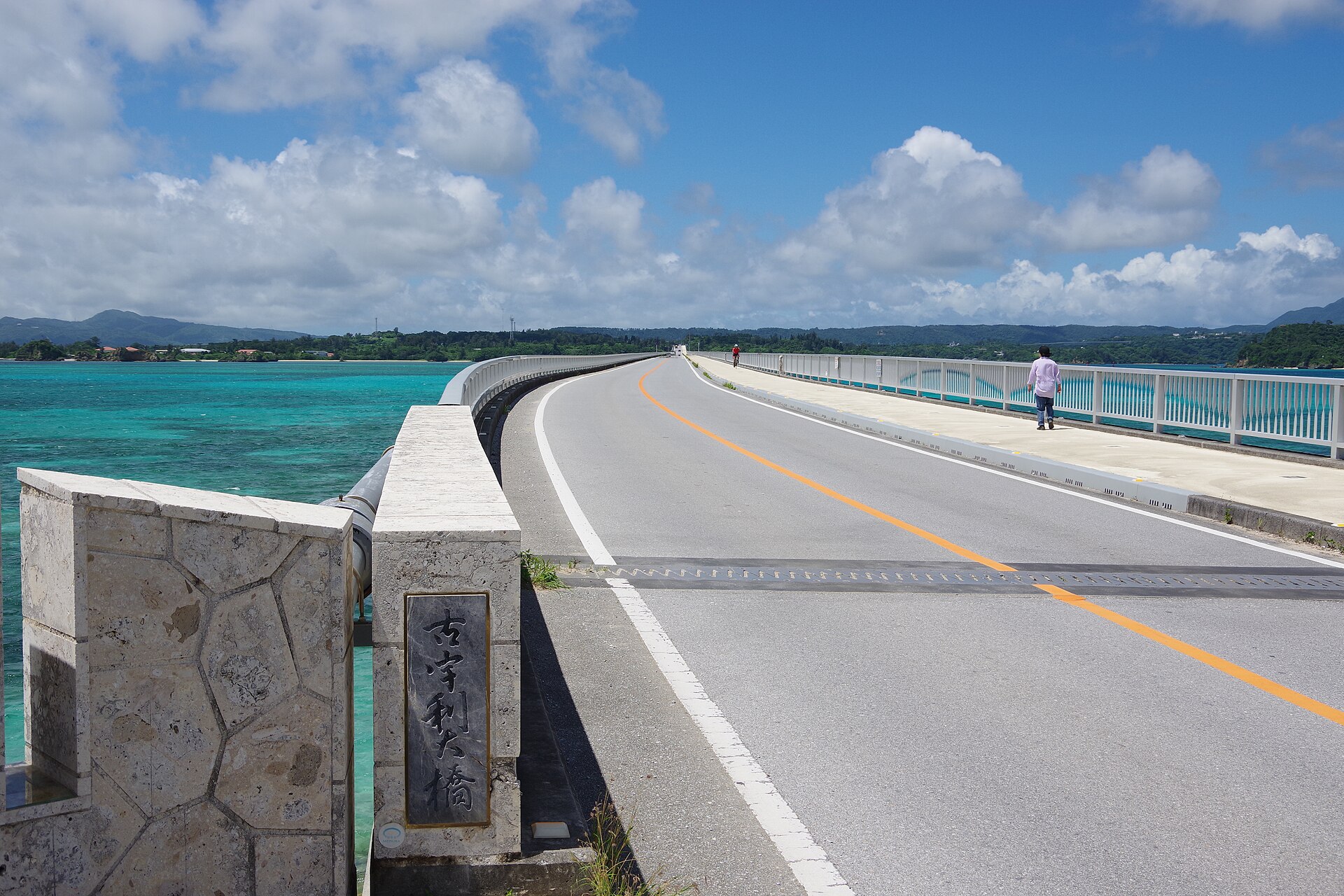
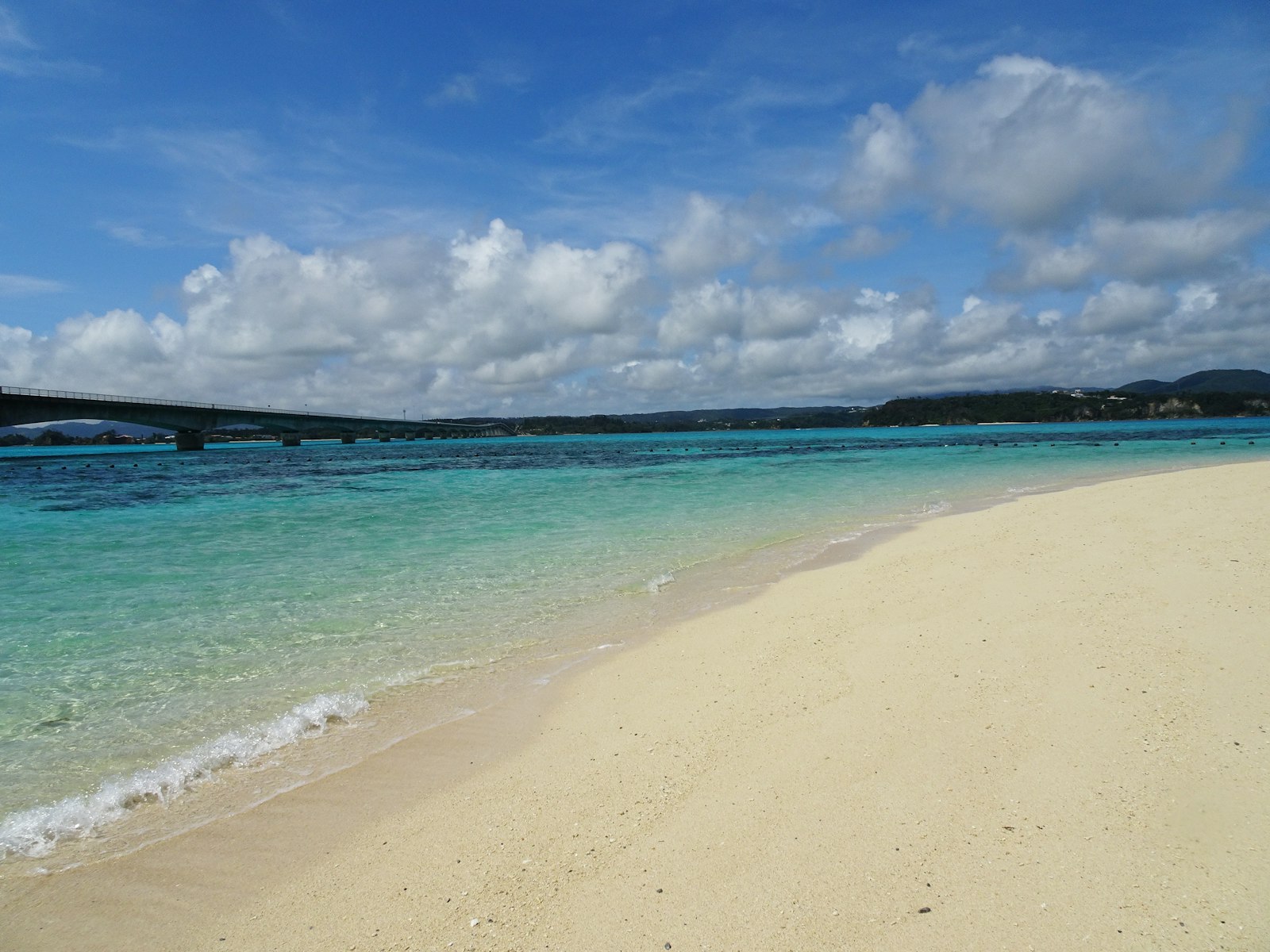
Kouri Island. Okinawa Prefecture lists the Kouri Bridge at 1,960 m (about 1.2 miles), linking Yagaji Island to Kouri Island. It opened in February 2005; before that, Nakijin Village says the island relied on a ferry. Kouri is part of Nakijin, and local tradition calls it an island of the gods, where seasonal rituals are still held.
Whether you leave early on Day 5 or drive back tonight, you'll be handing the car back before your flight.
Day 5 (Tuesday): fly home
You have most of the day, so keep it close to the airport.
- From 8:00 amCatch anything you missed on Kokusai-dori or at the market, which opens at 8:00 am. The market has no parking, so park at a paid lot or return the car first.
- Before the airportReturn the rental car with plenty of margin. Your contract gives the return location and time.
- AfternoonGet to the airport early. It's an international flight, so check United's recommended check-in time for Naha beforehand.
- 5:50 pmDepart Naha (reported time).
As of October 2026, Naha City official site; flight times reported by the media
By the clock you land in San Francisco around 12:50 pm the same day (reported time).
When to go
The flight starts on March 27, 2027, and that spring window, late March to early May, is the best fit for this plan. Japan's weather agency puts Naha's average high at about 22°C (72°F) in March, 24°C (76°F) in April and 27°C (81°F) in May.
- Rainy season: usually from around May 10 to around June 21 in Okinawa. You can still travel, but plan for wet days.
- Typhoons: Okinawa sees about 7.7 typhoon approaches a year on average, most of them from July to September (August is the peak, at 2.2). Storms can close attractions, including the aquarium, and cancel flights for a day or two. Follow the Japan Meteorological Agency's warnings if you travel then.
- Box jellyfish: Okinawa Prefecture issues a jellyfish advisory from June 1 to September 30. Swim only at beaches with nets, and check each beach's own swimming season.
- Basketball: the Kings play from October to May.
- The flight itself: some reports say the route may be seasonal. That isn't confirmed yet.
| Jan | Feb | Mar | Apr | May | Jun | Jul | Aug | Sep | Oct | Nov | Dec | |
|---|---|---|---|---|---|---|---|---|---|---|---|---|
| Avg high | 68°20°C | 68°20°C | 71°22°C | 76°24°C | 81°27°C | 86°30°C | 89°32°C | 89°32°C | 87°31°C | 83°28°C | 77°25°C | 71°22°C |
| Avg low | 59°15°C | 59°15°C | 62°17°C | 66°19°C | 72°22°C | 77°25°C | 81°27°C | 80°27°C | 78°26°C | 74°24°C | 69°20°C | 62°17°C |
| Rain | 4.0"102mm | 4.5"114mm | 5.6"143mm | 6.3"161mm | 9.7"245mm | 11.2"284mm | 7.4"188mm | 9.4"240mm | 10.8"275mm | 7.1"179mm | 4.7"119mm | 4.3"110mm |
| Typhoons | – | – | – | – | 0.4 | 0.6 | 1.5 | 2.2 | 1.9 | 1.1 | 0.3 | – |
| Rainy season | ● | ● | ||||||||||
| Box jellyfish | ● | ● | ● | ● | ||||||||
| Golden Kings | ● | ● | ● | ● | ● | ● | ● | ● |
- Typhoons: about 7.7 a year come near Okinawa, most in August and September. Flights and ferries can stop for a day or two — keep your plans flexible in late summer.
- Rainy season: around May 10 to around June 21 in a typical year.
- Swimming: Swim at managed beaches during their swimming season, when lifeguards keep watch and nets are set against box jellyfish. Many beaches have neither. Check the beach's official page before you go.
- Box jellyfish: advisory June 1 – September 30 (2026); most stings in July and August; swim inside the nets and cover your legs.
- Basketball: B.LEAGUE season runs fall to spring, with playoffs in May.
- The nonstop: United's SFO–Naha nonstop starts March 27, 2027, three times a week. Some reports say it is seasonal; that is not confirmed yet.
Climate: Japan Meteorological Agency, Naha climate normals 1991–2020. Typhoons: JMA normals. Jellyfish: Okinawa Prefecture, box jellyfish advisory. Checked 2026-10-10.
Where to stay
Two nights in Naha (Days 1–2) and two nights in central Okinawa or on the west coast (Days 3–4) keep the driving manageable. If the resort is the point of the trip, see our guide. → Okinawa's luxury beach resorts
New to Okinawa? Start with the SFO–Naha flight guide.
Sources
- United Airlines — United Adds 10 International Cities for 2027 (Aug 25, 2026)
- United Airlines — flight search SFO to Naha, UA833 schedule for departures on Mar 27 and Mar 29, 2027 (checked Oct 17, 2026)
- Aviation Wire — United SFO–Naha schedule as reported (Aug 25, 2026, Japanese)
- Embassy of Japan in the USA — Visa FAQ
- Visit Japan Web (Digital Agency)
- U.S. Embassy & Consulates in Japan — Driving in Japan
- National Police Agency — International driving permits Q&A
- JNTO — FAQ (tipping, cash, driving)
- Yui Rail (Okinawa Urban Monorail) — guide and passes
- Shurijo Castle Park — admission fee
- Shurijo Castle Park — access
- Shurijo Castle Park — Seiden opening notice (Japanese)
- Shurijo Castle Park — fee revision and advance reservations, July 31, 2026 (Japanese)
- Shurijo Castle Park — ticket guide (English page)
- Naha City — First Makishi Public Market (Japanese)
- Naha City Tourist Association — Kokusai Street
- Mihama American Village — access (Japanese)
- Mihama American Village — access
- Okinawa Churaumi Aquarium — hours
- Okinawa Churaumi Aquarium — fees
- Okinawa Churaumi Aquarium — access
- Okinawa Prefecture — Kouri Bridge data (Japanese PDF)
- Nakijin Village — Kouri (Japanese)
- Federal Reserve H.10 via FRED — USD/JPY
- Ministry of Foreign Affairs of Japan — visa exemption (short-term stay)
- Yui Rail — fare table from Naha Airport Station