Okinawa vs. Hawaii: More Luxury for Your Dollar?
Been to Hawaii and wondering what's next? We compare Okinawa and Hawaii on flights, beaches, hotel costs, culture and storm season, using official numbers only.
- Shorter trip
- Hawaii
- Dollar goes further
- Okinawa (¥157.81 per $1 on Oct 2, 2026)
- Hawaii hotel average
- $372/night (Aug 2026, State of Hawaii)
- Best time for Okinawa
- November to early May (our pick: mild weather, before the rainy season)
- Fewest typhoons
- December to April (JMA normals)
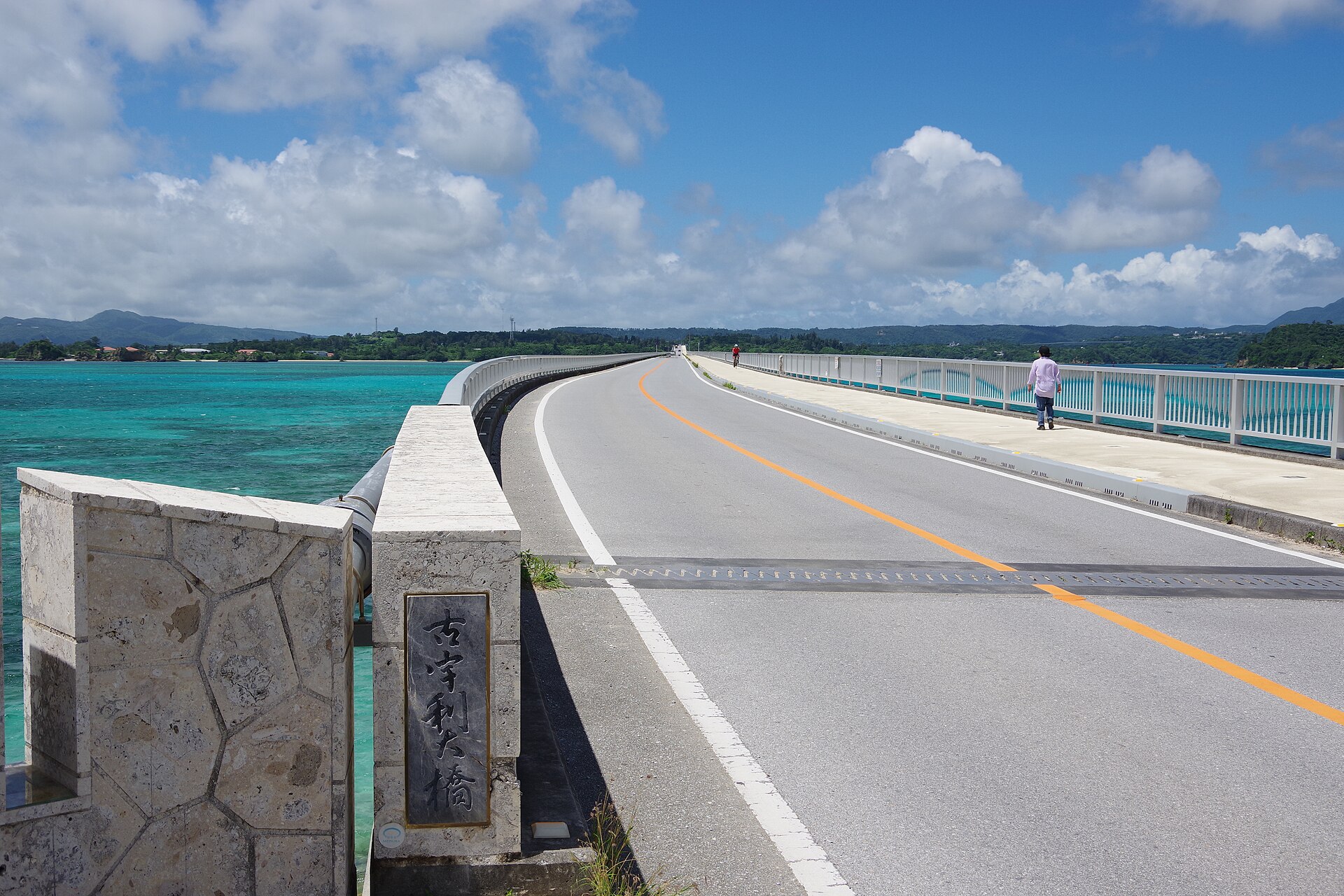
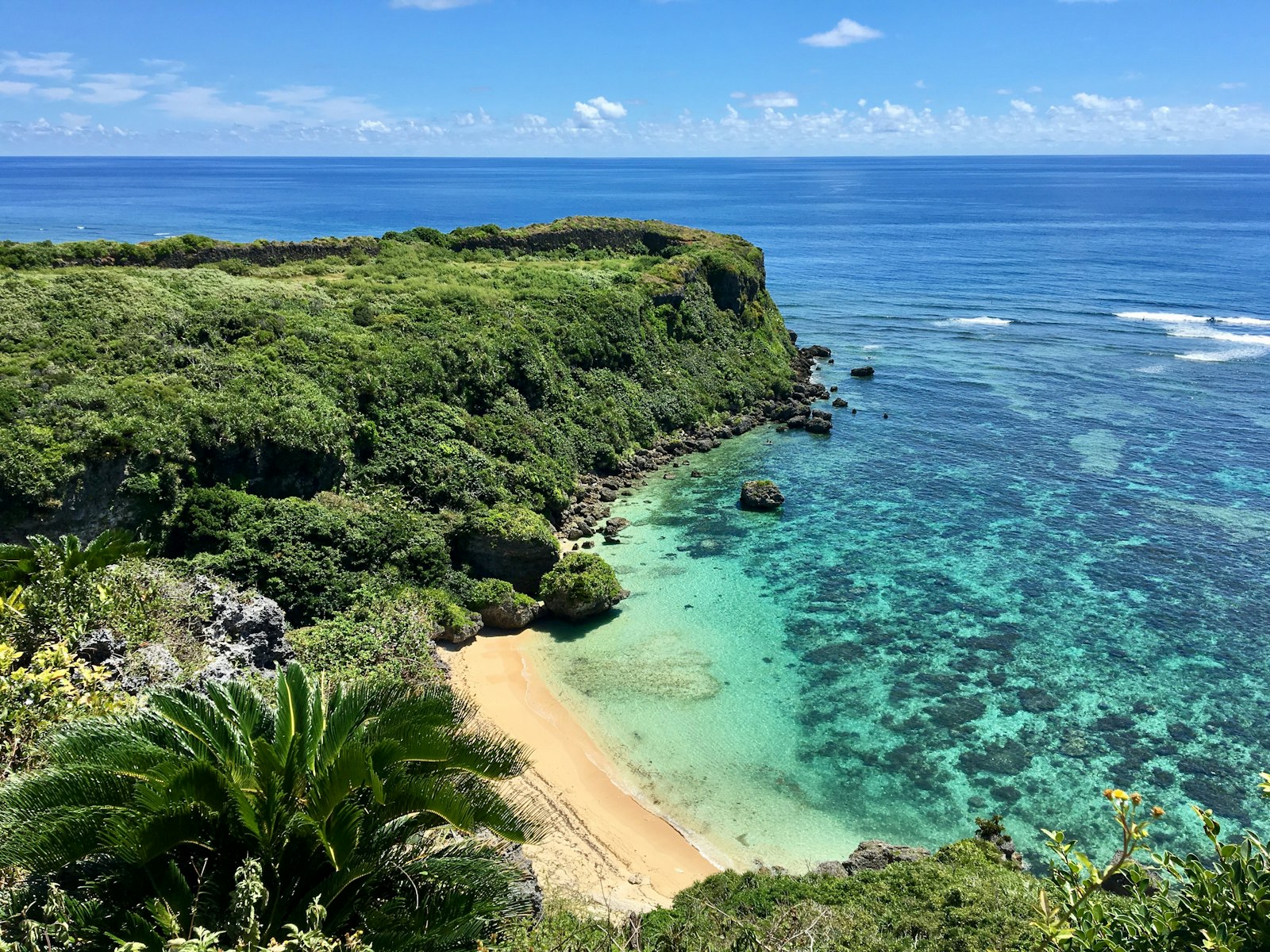
You swim inside a net set up against box jellyfish, at a beach with lifeguards on duty, in coral-reef water on the far side of the date line. On the island's hilltops stand the stone ruins of gusuku, the castles of the old Kingdom of Ryukyu, on UNESCO's World Heritage List since 2000.
If you've already done Hawaii, Okinawa is the obvious next question. This guide sets the two side by side on flights, beaches, resorts, costs, culture and storm season. Where there's no fair official number to compare, we say so instead of guessing.
- Travelers who have done Hawaii and want something new
- Resort fans who want their dollars to stretch
- Military families with someone stationed in Okinawa
- ¥157.81What one US dollar bought on Oct 2, 2026, up from about ¥109 on average in 2019
- $372Average Hawaii hotel room per night, August 2026 (average daily rate, as reported by the State of Hawaii)
- 90 daysVisa-free stay for US tourists in Japan
- 7.7Typhoons that come close to Okinawa in an average year, mostly July to October
As of October 2026, official figures from the Federal Reserve, State of Hawaii, Ministry of Foreign Affairs of Japan and Japan Meteorological Agency
The short answer
- Pick Hawaii if you want a shorter, domestic trip: no passport, no currency exchange, and you never leave the US.
- Pick Okinawa if you want something genuinely new and you'd like your dollars to stretch further.
- Hotels: Okinawa has no official average room rate, so a precise side-by-side with Hawaii's isn't possible. The numbers we do have point in Okinawa's favor (details below).
- Storms: both have a storm season in the second half of the year. In Okinawa, typhoons come closest most often from July to September.
Getting there from the West Coast
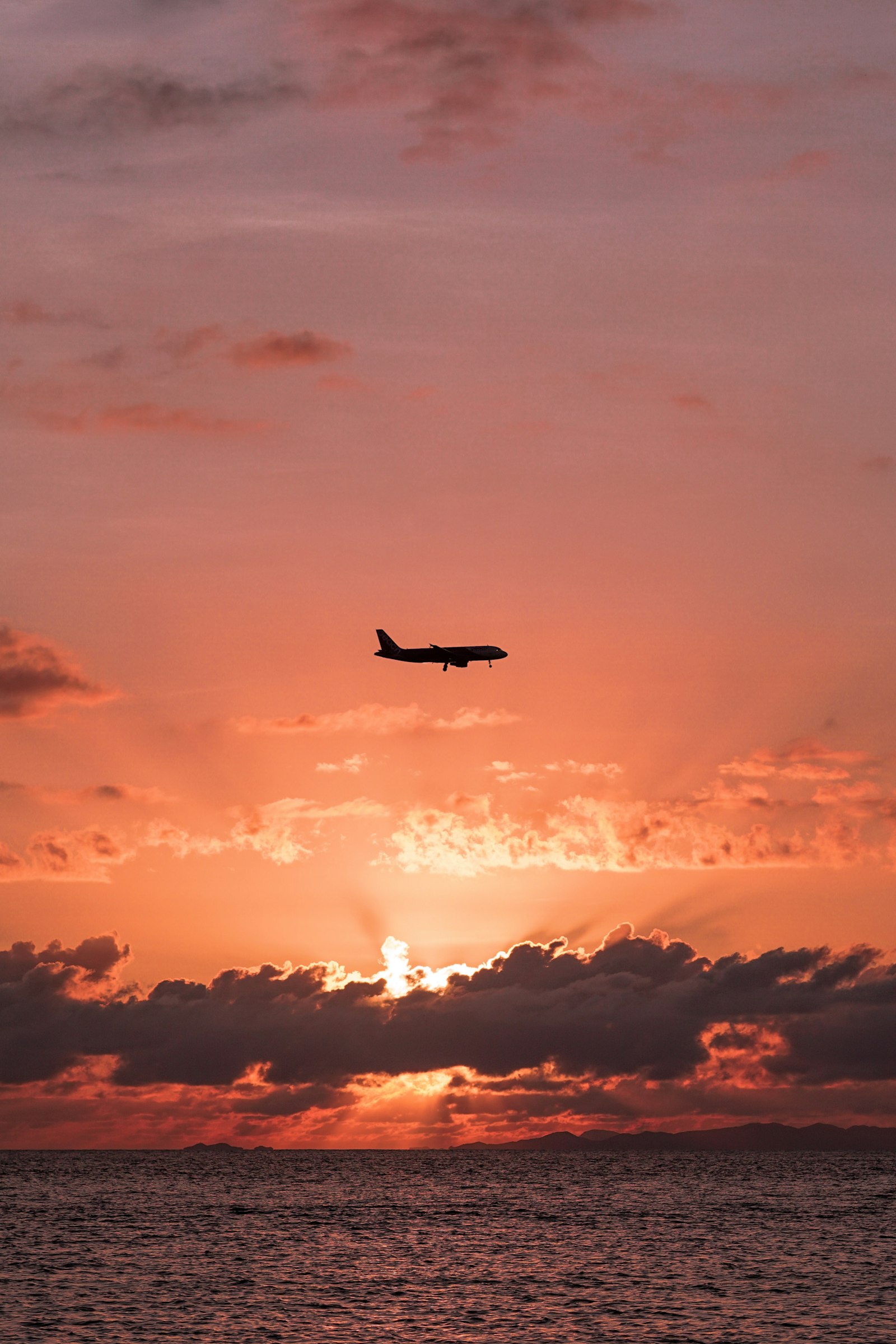
Hawaii is the shorter hop, and it's a domestic flight: no passport check, no customs forms (just Hawaii's agriculture declaration form, handed out on the plane), no currency exchange. You do need a REAL ID–compliant license (or another accepted ID such as a passport) at airport security; the TSA has enforced this since May 7, 2025. Nonstop flights already link San Francisco and Honolulu (Alaska Airlines, for one, sells the route on its own site).
Okinawa is a long-haul trip. Until now that meant a connection in Tokyo, Osaka or another Asian hub. United plans a nonstop from San Francisco to Naha starting March 27, 2027, three times a week, at about 13 hours westbound and about 11 hours back, according to published reports. The route still needs government approval, and whether it runs year-round is not yet confirmed. Our SFO–Naha flight guide has the full schedule and what to do when you land.
Paperwork for Japan is light for Americans:
- No visa for a tourist stay. The US is on Japan's visa-exemption list, and the period of stay given on arrival is 90 days (Ministry of Foreign Affairs of Japan).
- Visit Japan Web, the government's official site, lets you fill in the arrival forms before you fly.
- Time: you lose a day flying out across the date line and get it back on the way home.
So the real trade-off: Hawaii costs you less time in the air; Okinawa asks for a longer flight but will probably cost you less once you're there.
Beaches and water
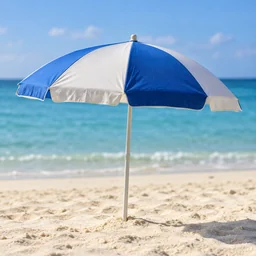
Both have coral reefs, clear water and calm lagoons, and both have real hazards that visitors underestimate.
In Hawaii, the state tourism authority's main advice is to swim where lifeguards are on duty, never turn your back on the waves, and stay out of the water when box jellyfish warnings are posted. Water near shore averages about 74°F, reaching about 80°F in summer (Hawaii Tourism Authority).
In Okinawa, each beach sets its own official swimming season every year. During that season, managed beaches have lifeguards and nets that keep out box jellyfish. Okinawa Prefecture runs a box jellyfish advisory from June 1 to September 30 (2026 dates), with the most stings in July and August.
One practical difference: in Hawaii you're in your own country, with familiar warning signs and emergency numbers. In Okinawa you're abroad.
Luxury resorts compared
Hawaii's resort scene is famous and big: the State of Hawaii's August 2026 report covers 163 hotels with 47,067 rooms. Okinawa's top resorts are fewer and less known in the US, which is part of their appeal. Some names will be familiar:
- Halekulani
- Rosewood
- The Ritz-Carlton
Japanese brands such as HOSHINOYA are there too.
We ranked Okinawa's beach resorts into four tiers, from private-pool villas to good-value family hotels, with sample rates taken from each hotel's official site. → Okinawa beach resorts ranked
Costs: what the numbers say
Here is what official sources can and can't tell us.
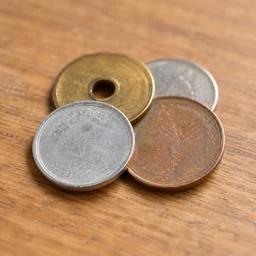
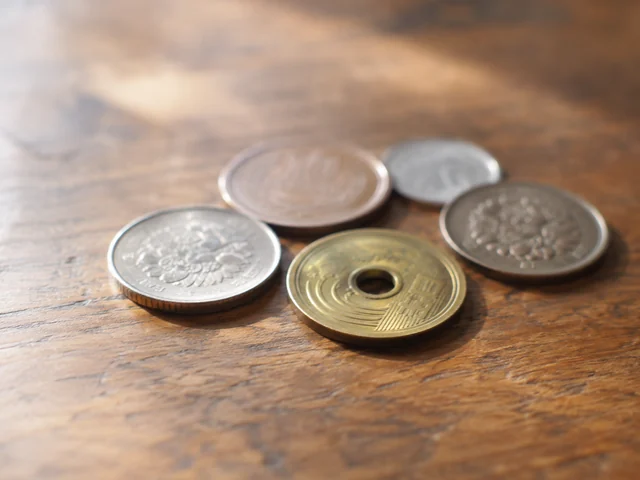
The exchange rate. One US dollar bought ¥157.81 on October 2, 2026, compared with annual averages of ¥109.02 in 2019 and ¥151.46 in 2024, according to the Federal Reserve's H.10 data (via FRED). A hotel that charges the same yen price as in 2019 now costs about 31% fewer dollars. Prices in Japan have gone up since 2019 too, so the real saving is smaller than the exchange rate alone suggests.
| Hawaii hotels, August 2026 (according to the State of Hawaii) | Average daily rate |
|---|---|
| All hotels, statewide | $372 |
| Luxury class | $740 |
| Midscale & economy class | $225 |
| Waikiki | $278 |
| Maui County | $526 |
These are average daily rates per room per night, as reported by the State of Hawaii, for hotels with 20 or more rooms. Vacation rentals and timeshares aren't included. This is a single month, so treat it as one snapshot rather than a year-round price.
Okinawa lodging spending (fiscal year 2025, Okinawa Prefecture). Okinawa doesn't publish an average room rate. The closest official figure: visitors from elsewhere in Japan spent ¥38,268 per person per trip on lodging, and stayed 3.07 nights on average. That works out to about ¥12,500 per person per night, or roughly $79 at the October 2026 rate. That's our calculation, not an official statistic, and it's per person, across every type of lodging from budget hotels to resorts, mostly for Japanese travelers.
What we can fairly say: the two numbers measure different things, so we won't claim that "a five-star room in Okinawa costs the same as a standard room in Hawaii." What the data does show is that Hawaii's hotel prices are high even at the middle of the market, and that a dollar now buys far more yen than it did a few years ago. For a resort stay, compare the exact dates on each hotel's official site. Season matters a lot in Okinawa: in our resort research, a peak summer Saturday often cost two to three times a January weekday (as of October 2026, official sites).
Tipping. Japan's national tourism organization says tipping isn't customary in restaurants, taxis or hotels. If you're used to adding a tip to every meal in Hawaii, that alone changes the math on meals and service.
Food and culture
Like Hawaii, Okinawa has a history and identity of its own that sets it apart from the rest of the country it belongs to today.
- Okinawa was the center of the Kingdom of Ryukyu. Its hilltop castle ruins and sacred sites are on UNESCO's World Heritage List, inscribed in 2000, covering about five centuries of Ryukyuan history from the 12th to the 17th century. UNESCO credits the islands' wide trade and cultural contacts in that era with shaping a distinctive culture.
- Hawaii's best-known World Heritage site is Hawaii Volcanoes National Park, inscribed in 1987 for its natural value. Its other site, the remote Papahānaumokuākea in the Northwestern Hawaiian Islands, was inscribed in 2010 for both nature and Native Hawaiian culture.
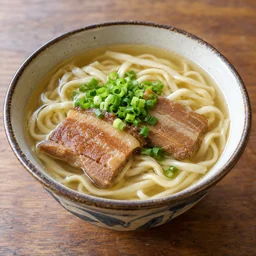
On the plate, the dish to try first in Okinawa is Okinawa soba. If you visit between fall and spring, a Ryukyu Golden Kings pro basketball game is one of the liveliest nights out. → Catch a Golden Kings game
When to go
Hawaii has two seasons, according to the state tourism authority: summer from May to October, with daytime highs averaging around 85°F, and winter from November to April, around 78°F. The wettest months are November to March. The Central Pacific hurricane season runs June 1 to November 30; the National Weather Service in Honolulu says a near-normal season has 4 or 5 tropical cyclones in the Central Pacific.
Okinawa is warmer in summer and noticeably cooler in winter (January highs about 68°F vs. about 78°F in Hawaii). In Naha, average highs run from about 20°C (68°F) in January to about 32°C (89°F) in July (Japan Meteorological Agency normals, 1991–2020). Two things shape the calendar:
- Around May 10The rainy season usually starts.
- Around June 21The rainy season usually ends.
- JulyTyphoons come close 1.5 times on average.
- AugustThe typhoon peak: 2.2 close approaches on average.
- September1.9 on average.
- October1.1 on average.
- November–AprilClose approaches are rare.
As of October 2026, Japan Meteorological Agency official normals
The two storm figures aren't measured the same way, so don't read them as "Okinawa is riskier." The takeaway is simply that both places are calmer in winter and spring. For Okinawa, typhoons are fewest from December to April (JMA normals), and the new nonstop flight starts at the end of March, right in that window. November and early May are good months too: close approaches average 0.3 in November and 0.4 in May, and early May comes before the rainy season usually starts around May 10.
| Jan | Feb | Mar | Apr | May | Jun | Jul | Aug | Sep | Oct | Nov | Dec | |
|---|---|---|---|---|---|---|---|---|---|---|---|---|
| Avg high | 68°20°C | 68°20°C | 71°22°C | 76°24°C | 81°27°C | 86°30°C | 89°32°C | 89°32°C | 87°31°C | 83°28°C | 77°25°C | 71°22°C |
| Avg low | 59°15°C | 59°15°C | 62°17°C | 66°19°C | 72°22°C | 77°25°C | 81°27°C | 80°27°C | 78°26°C | 74°24°C | 69°20°C | 62°17°C |
| Rain | 4.0"102mm | 4.5"114mm | 5.6"143mm | 6.3"161mm | 9.7"245mm | 11.2"284mm | 7.4"188mm | 9.4"240mm | 10.8"275mm | 7.1"179mm | 4.7"119mm | 4.3"110mm |
| Typhoons | – | – | – | – | 0.4 | 0.6 | 1.5 | 2.2 | 1.9 | 1.1 | 0.3 | – |
| Rainy season | ● | ● | ||||||||||
| Box jellyfish | ● | ● | ● | ● | ||||||||
| Golden Kings | ● | ● | ● | ● | ● | ● | ● | ● |
- Typhoons: about 7.7 a year come near Okinawa, most in August and September. Flights and ferries can stop for a day or two — keep your plans flexible in late summer.
- Rainy season: around May 10 to around June 21 in a typical year.
- Swimming: Swim at managed beaches during their swimming season, when lifeguards keep watch and nets are set against box jellyfish. Many beaches have neither. Check the beach's official page before you go.
- Box jellyfish: advisory June 1 – September 30 (2026); most stings in July and August; swim inside the nets and cover your legs.
- Basketball: B.LEAGUE season runs fall to spring, with playoffs in May.
- The nonstop: United's SFO–Naha nonstop starts March 27, 2027, three times a week. Some reports say it is seasonal; that is not confirmed yet.
Climate: Japan Meteorological Agency, Naha climate normals 1991–2020. Typhoons: JMA normals. Jellyfish: Okinawa Prefecture, box jellyfish advisory. Checked 2026-10-10.
Which one is right for you?
- First trip abroad, short on time, or traveling with small kids: Hawaii keeps things simple.
- You've done Hawaii and want something new: Okinawa offers the same warm water with a different language, food and history.
- You want a top-end resort without a top-end bill: compare real dates on official sites. The exchange rate gives Okinawa a head start, especially outside summer.
- Military family, or visiting someone stationed there: the 2027 nonstop from SFO makes the trip much easier than it used to be.
Sources
- Federal Reserve H.10 exchange rate via FRED (USD/JPY daily)
- Federal Reserve H.10 annual averages via FRED
- State of Hawaii DBEDT — Hawaii Hotel Performance Report, August 2026 (PDF)
- Okinawa Prefecture — tourism survey report FY2025 (Japanese, PDF)
- Ministry of Foreign Affairs of Japan — visa exemption (short-term stay)
- Visit Japan Web (Digital Agency)
- TSA — REAL ID
- Alaska Airlines — San Francisco to Honolulu flights
- Stars and Stripes — United to launch first nonstop US-Okinawa flight
- Japan Meteorological Agency — Naha climate normals (Japanese)
- Japan Meteorological Agency — typhoon normals (Japanese)
- Japan Meteorological Agency — rainy season normals
- Okinawa Prefecture — box jellyfish advisory (Japanese)
- National Weather Service Honolulu — 2026 Central Pacific hurricane season
- Hawaii Tourism Authority — weather
- Hawaii Tourism Authority — ocean safety
- Hawaii Tourism Authority — FAQ (time zone)
- JNTO — tipping in Japan
- UNESCO — Gusuku Sites of the Kingdom of Ryukyu
- UNESCO — Hawaii Volcanoes National Park
- Papahānaumokuākea (official) — UNESCO World Heritage Site
- Hawaii Department of Agriculture — traveling from the US mainland to Hawaii
- United Airlines — United Adds 10 International Cities for 2027 (Aug 25, 2026)
Corrections and updates
- 2026-10-20 — The months with the fewest typhoons are December to April (JMA normals), not November to early May. November to early May stays as our suggested time to go