Money in Okinawa: Cash, ATMs, Cards and Tipping for American Travelers
How much yen to carry, where your US card works, why you never tip, and how Japan's new tax-free refund works from November 1, 2026. Facts from Japan's tourism agencies, banks and Yui Rail.
- Cash
- carry some yen, and get it at Japan Post Bank or Seven Bank ATMs
- Cards
- widely taken, and you can tap one at Yui Rail gates
- Tipping
- none
- Tax-free
- from November 1, 2026, pay full price and get the tax back after customs checks at departure
- Best time
- all year
You land at Naha Airport with a US card in your wallet and no yen. At the Yui Rail monorail gate you tap that same card, and the ride to the Prefectural Office station costs ¥290 (as of October 2026, official site). No bills, no ticket machine.
That is money in Okinawa: cards go further than many visitors expect, but cash still matters. This guide covers how much yen to carry, which ATMs take US cards, how to pay on the monorail and buses, tipping, and Japan's new tax-free refund starting November 1, 2026.
- First-time visitors to Japan
- Travelers setting up cards and cash before the flight
- Shoppers who want the tax back on souvenirs
- Military families hosting visitors from the States
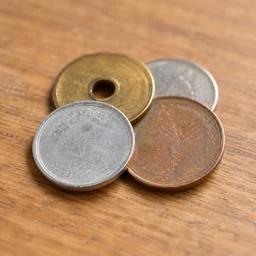
- ¥50,000Most you can take out per withdrawal at a Japan Post Bank ATM with a foreign card (about $317)
- ¥220Japan Post Bank's fee per withdrawal for some foreign cards (about $1.39)
- 7 brandsCard brands you can tap at Yui Rail gates
- 90 daysTime you have after buying tax-free goods to clear customs on the way out
As of October 2026, Japan Post Bank, Yui Rail and Japan Tourism Agency official sites
The short version
- Bring some yen, and a card or two. JNTO, Japan's national tourism office, says most stores and restaurants take cards like Visa and Mastercard. It also says Japan is still a cash culture, and small shops and guesthouses may take only cash.
- Get yen from an ATM. JNTO lists Japan Post Bank and Seven Bank first among the ATMs that take cards issued abroad.
- Tap to ride the monorail. Yui Rail gates take contactless credit, debit and prepaid cards.
- Don't tip. JNTO says Japan has no tipping culture.
- Tax-free shopping changes on November 1, 2026. For purchases from that day, you pay full price and get the tax back after customs checks your goods at departure.
ATMs that take US cards
Japan Post Bank. These machines are mostly in post offices, according to JNTO. Japan Post Bank lists the cards it takes (as of October 2026, official site):
- Visa and PLUS
- Mastercard, Maestro and Cirrus
- JCB, UnionPay and Discover
You can only withdraw cash; you can't check your balance. Each withdrawal tops out at ¥50,000 (about $317), and the fee is ¥220 (about $1.39) for some foreign cards. Your own bank may charge too. Machines at post offices and Japan Post Bank branches run 7:00 am to 11:00 pm Monday to Saturday. On Sundays and holidays they close at 9:00 pm (all as of October 2026, official site).
Seven Bank. These are the ATMs in 7-Eleven stores. JNTO says they have screens for cards issued abroad in many languages. Check the machine's screen for its limits and fees. Our konbini guide walks through a Seven Bank withdrawal step by step.
When the machine asks about currency. Some ATMs and card terminals offer to bill you in dollars instead of yen. Visa calls this dynamic currency conversion. Its rules say the screen must show both amounts, the exchange rate and any fees, and you get to decide (as of October 2026, Visa official site). Visa doesn't say which choice costs less. That depends on your card's fees, so ask your card company before you fly.
Before you go, ask your bank about fees abroad and whether your card works at foreign ATMs. Carry a second card from a different bank in case one is refused.
Paying with cards and phones
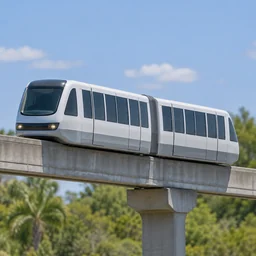
Yui Rail, the monorail. It runs from Naha Airport through central Naha. You can pay in these ways:
- Contactless card: tap a credit, debit or prepaid card with the contactless mark. The brands are Visa, Mastercard, JCB, American Express, Diners Club, Discover and UnionPay. A phone with that card set up works too.
- IC card: OKICA, Okinawa's own transit card, or Suica.
- QR ticket: buy one at the station machines and hold it over the gate.
- 1-day or 2-day pass: ¥1,000 or ¥1,800 for adults (about $6.34 or $11.41) (all as of October 2026, official site).
Yui Rail lists some rules for tapping a card. Use the same card or phone to enter and exit. One card pays for one person, and children 6 to 11 pay the adult fare this way (all as of October 2026, official site).
Route buses. You can pay in three ways:
- Cash. Drop the exact fare in the fare box; it gives no change. The changer on board takes ¥1,000 bills only (as of October 2026, Bus Navi Okinawa).
- OKICA. Yui Rail says it works on route buses on the main island, except sightseeing and limousine buses. You can top it up on the bus with ¥1,000, ¥2,000, ¥5,000 or ¥10,000 bills, though Toyo Bus doesn't take ¥2,000 bills (as of October 2026, OKICA official site).
- Contactless card, on some routes. In March 2024, three bus companies announced card tapping on some routes, mostly to and from Naha Airport. Look for the touch-payment sticker on the bus. We haven't confirmed today's full route list (unconfirmed).
Airport limousine bus. Okinawa Bus started taking contactless cards on board in April 2026, as a trial that could end without notice. Seats are limited, and riders who booked ahead board first (as of October 2026, official site).
OKICA in short. You top it up in steps of ¥1,000, up to ¥30,000 on one card. Some taxis and shops with the OKICA sticker take it too (as of October 2026, OKICA official site).
Shops. JNTO notes that some stores don't post the logos of the cards they take, so ask before you pay.
Where cash still matters
This table shows only what the official pages say. "Ask" means we couldn't confirm it.
| Where | Cash | Card | Transit IC card |
|---|---|---|---|
| Yui Rail | QR tickets at station machines | Tap at the gate | OKICA, Suica |
| Main-island route buses | Exact fare (no change; ¥1,000 bills changed on board) (as of October 2026, Bus Navi Okinawa) | Tap on some routes | OKICA |
| Small shops, guesthouses | May be the only option | Ask | Ask |
Outer islands, ferries and car rentals aren't in the table. We haven't checked their payment rules (unconfirmed), so ask when you book and bring enough yen for a day there.
US dollars in Okinawa
We didn't find an official page from an Okinawa shop or attraction that says it takes US dollars (unconfirmed). Plan to pay in yen.
Tipping: you don't
JNTO says tipping isn't a usual part of paying at restaurants, cafes, bars, taxis or hotels. You pay the amount on the bill (as of October 2026, official site).
The one case JNTO describes is a private guide or interpreter used to customs abroad. Even then a tip isn't expected. If you want to give one, JNTO suggests putting the money in an envelope rather than handing over bare bills.
Tax-free shopping: the new refund system
Japan is changing how tax-free shopping works for visitors. For purchases from November 1, 2026, shops no longer take the tax off at the register. You pay the full price, and the tax comes back after your purchases pass customs. Until October 31, 2026, tax-free shops still take the tax off at the register (as of October 2026, Japan Tourism Agency official site). The steps below are the new way.
- At the shopBuy at a tax-free shop and pay the price including tax. You need to spend at least ¥5,000 before tax at one store on one day (about $32).
- Before you check inKeep every tax-free item in your carry-on, with the receipts. Checked bags can't be pulled back for this.
- At departure, within 90 daysShow your passport at a tax-free kiosk at the airport, with the goods. Green means you're done. Red means you take the goods to customs for inspection.
- AfterwardThe shop, or a refund company it works with, pays the tax back.
As of October 2026, Japan Tourism Agency and National Tax Agency official sites
At Naha Airport, the Japan Tourism Agency lists Naha among seven airports where you can also finish the step online with Visit Japan Web. You do this on the airport's designated Wi-Fi in the international departure lobby, before security (as of October 2026, official site).
How the money comes back depends on the shop. The National Tax Agency gives bank transfer, a credit card, an app, or cash at the departure port as examples (as of October 2026, official site, Japanese). Ask the shop about any fee; neither agency's page lists one.
Flying home through another Japanese airport? Do the customs step at the last airport you leave Japan from, not at Naha.
How much cash to bring
We won't name a number, because it depends on how you travel. Here's how to build your own from prices in this guide:
- Monorail: Naha Airport to Prefectural Office (Kenchomae) station is ¥290 (about $1.84), and to Shuri is ¥360 (about $2.28). Or tap your card and skip cash here.
- ATM fee: ¥220 per Japan Post Bank withdrawal with some foreign cards, so fewer, larger withdrawals mean fewer of these fees (fares and fee all as of October 2026, official sites).
- Meals and small shops: add your own estimate for places that may take cash only.
Customs limit. If you carry cash, checks or similar items worth more than ¥1 million in total, you must declare them when you enter or leave Japan (as of October 2026, JNTO official site). Our entry checklist covers customs.
When it matters
Money works the same all year. Two seasons need a little planning:
- New Year: Japan Post Bank's post office ATMs keep shorter hours, 7:00 am to 9:00 pm, on December 31 and January 1 to 3. Hours can also change around the New Year and Golden Week, in late April and early May (as of October 2026, official site).
- Typhoons: most often in August and September, per the Japan Meteorological Agency. Keep some yen on hand in case a storm keeps you in. Follow the agency for warnings, not other forecasts.
Official info

- Japan Tourism Agency, tax-free shopping: mlit.go.jp
- JNTO, currency and credit cards: japan.travel
- JNTO, tipping: japan.travel
- Japan Post Bank, cards issued outside Japan: jp-bank.japanpost.jp
- Yui Rail, fares by station: yui-rail.co.jp
Next:
- Get your data ready with our eSIM, phone and Wi-Fi guide.
- Learn the ATMs and registers at convenience stores in our konbini guide.
- Ride from the terminal into town with our Naha Airport to your hotel guide.
- Plan your arrival evening with your first night off the SFO flight.
Sources
- Japan Tourism Agency — tax-free shopping, Refund Method from November 1, 2026
- National Tax Agency — review of the tax-free shop system, Refund Method (Japanese)
- JNTO — Tipping in Japan
- JNTO — Currency
- JNTO — Credit cards
- JNTO — FAQ
- Japan Post Bank — cards issued outside Japan
- Visa — dynamic currency conversion
- Yui Rail — tickets and fares (Japanese)
- Yui Rail — riding with contactless cards (Japanese)
- Yui Rail — fares from Naha Airport
- Okinawa Bus, Naha Bus, Ryukyu Bus Kotsu and partners — contactless rides on route buses (March 26, 2024, Japanese)
- Okinawa Bus — contactless payment trial on the airport limousine bus (Japanese)
- Bus Navi Okinawa — how to ride the bus
- OKICA — how to use and top up (Japanese)
- Japan Meteorological Agency — typhoon normals
- Federal Reserve H.10 via FRED — USD/JPY