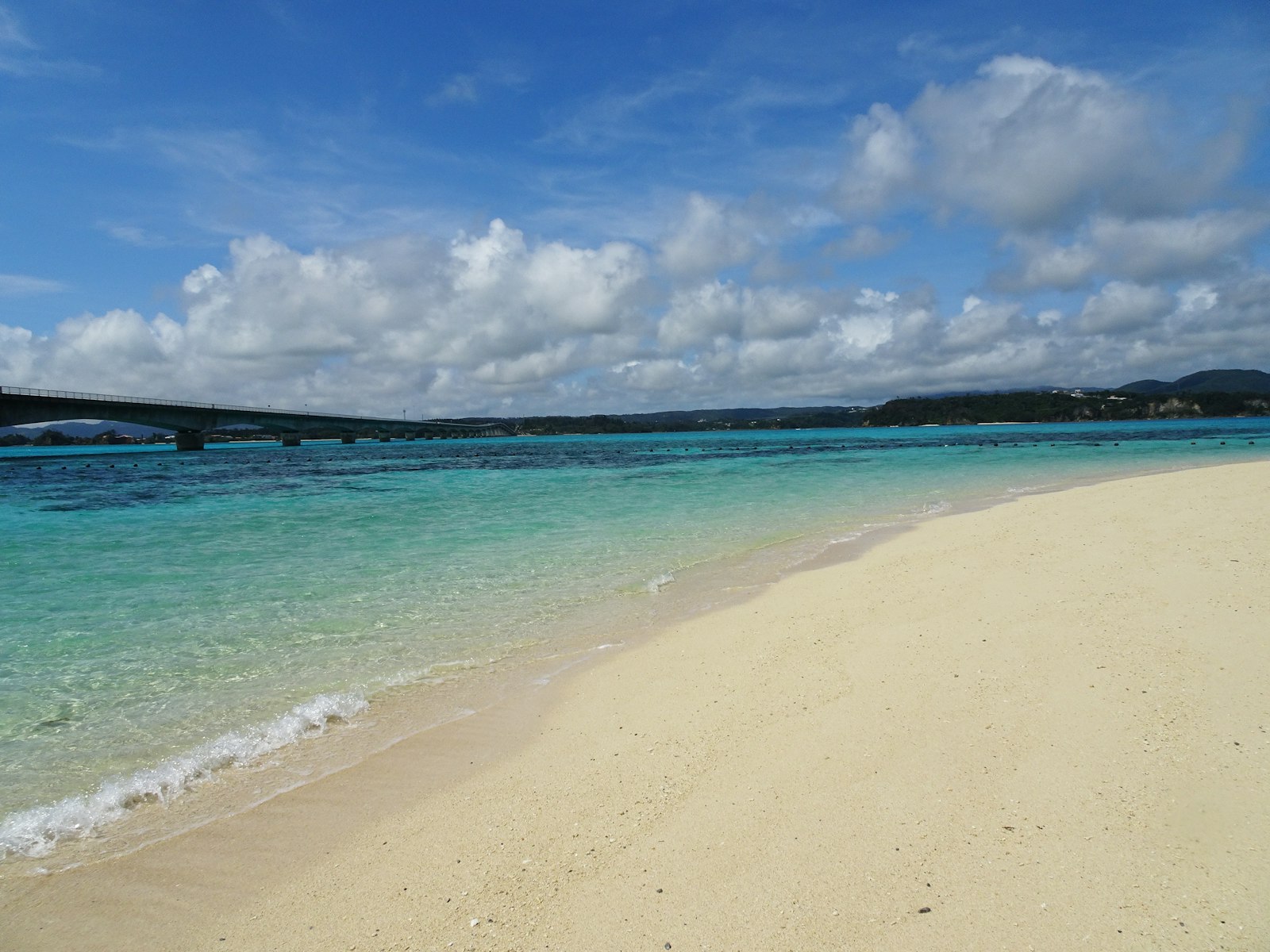
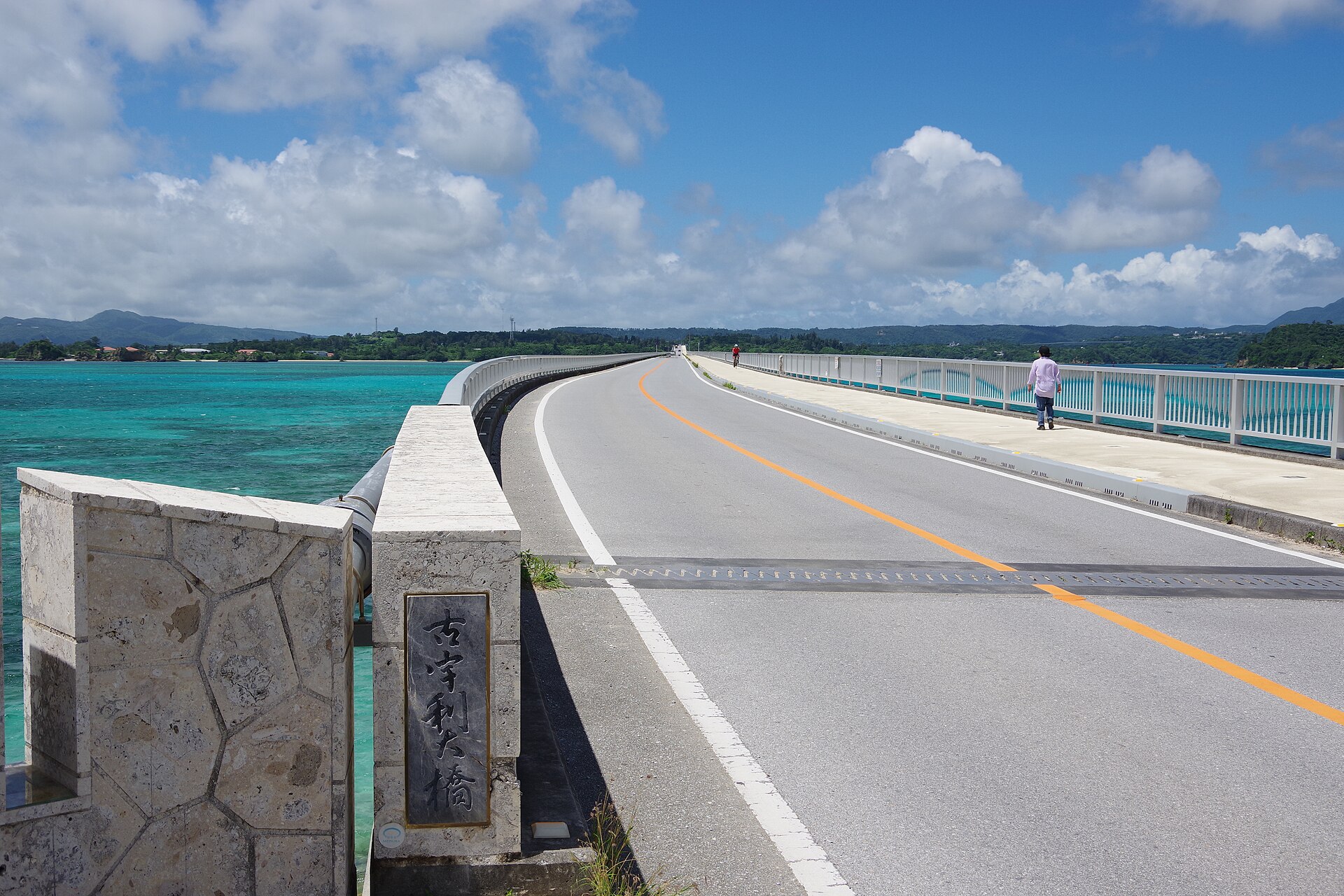
Kerama Islands from Naha: Ferries to Zamami and Tokashiki, and a Day Trip Plan
The Kerama Islands are the outer islands you can reach from Naha in under an hour and be back from by evening. Which island, which boat, what it costs and what to do when boats don't run.
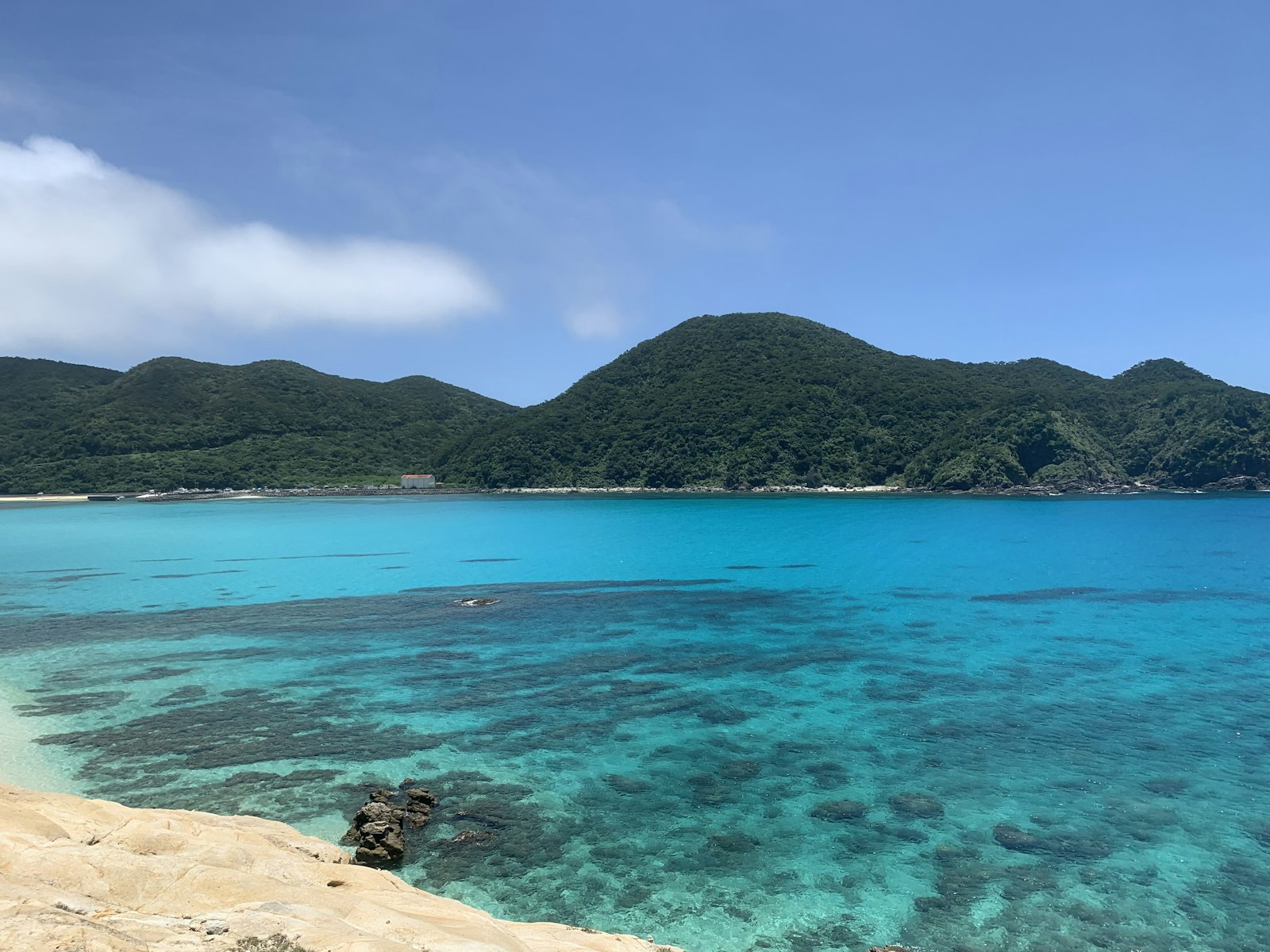
- Fastest boats
- about 40 min to Tokashiki, about 50 min to Zamami
- Round trip on the fast boat
- ¥6,270 (Tokashiki) or ¥7,510 (Zamami), adults
- Best time
- April to early May, or October
You walk out of Tomari Port in Naha a little before nine, ticket in hand, and board a high-speed boat. About forty to fifty minutes later you step off on a small island west of Okinawa's main island. The Ministry of the Environment protects these waters as Keramashoto National Park.
The Kerama Islands (慶良間諸島, Kerama shotō) are the outer islands you can see in a day from Naha. This guide covers the two islands most visitors pick, Zamami and Tokashiki: the boats, the fares, how to book and what happens when the sea is rough.
- Travelers staying in Naha who want one day on a small island
- Snorkelers and divers planning a Kerama trip
- Families comparing a short boat ride with a longer, cheaper one
- Winter visitors who want to see humpback whales
- ~40 minHigh-speed boat, Naha to Tokashiki
- ~50 minHigh-speed boat, Naha to Zamami
- ¥6,270Adult round trip, high-speed boat to Tokashiki (about $40)
- ¥7,510Adult round trip, high-speed boat to Zamami (about $48)
As of October 2026, Zamami Village and Tokashiki Village official sites
Which island for which trip
The boats to the Kerama Islands leave from Naha, so you don't need a plane.
- Tokashiki (渡嘉敷) is the closest by boat. Its high-speed boat takes about 40 minutes and is the cheaper of the two.
- Zamami (座間味) takes a little longer, about 50 minutes on the high-speed boat. Its boats also stop at Aka Island (阿嘉島), part of the same village.
Miyako and Ishigaki are much farther south. They are separate trips with their own flights, and we'll cover them in separate guides.
Ferries from Tomari Port
Both villages run their own boats from Tomari Port (泊港) in Naha. Each island has two kinds:
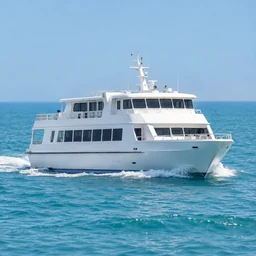
- A high-speed boat: faster and more expensive. Passengers only.
- A ferry: slower and cheaper. It also carries cars and cargo.
| (all as of October 2026, official site) | Zamami (and Aka) | Tokashiki |
|---|---|---|
| High-speed boat | Queen Zamami, about 50 min to Zamami | Marine Liner Tokashiki, about 40 min |
| High-speed fare, adult | ¥3,950 one way / ¥7,510 round trip (about $25 / $48) | ¥3,300 one way / ¥6,270 round trip (about $21 / $40) |
| Ferry | Ferry Zamami, about 90 min to 2 hours to Zamami; also calls at Aka | Ferry Tokashiki, about 70 min |
| Ferry fare, adult | ¥2,900 one way / ¥5,510 round trip (about $18 / $35) | ¥2,200 one way / ¥4,180 round trip (about $14 / $26) |
| Island tax | ¥100 (Zamami's island tax) | ¥100 environmental tax, ages 16 and up |
| Where to board | Ferry: south side of Tomari Port. High-speed boat: north side | Ticket counter in the Tomarin building; high-speed boat on the north side |
Fares are for adults, and children pay about half. Tokashiki's fares changed on October 1, 2026; the table shows the new fares. Zamami's ferry time is worked out from the village's October to December 2026 timetables; it is longer when the boat stops at Aka first (all as of October 2026, official site). Dollar figures use ¥157.81 per $1 (October 2, 2026, Federal Reserve).
Where the tickets are. Both villages sell tickets inside Tomarin (とまりん), the terminal building at Tomari Port (3-25-1 Maejima, Naha). Zamami Village says the walk from its counter to the high-speed boat takes about 10 minutes. Tokashiki also sells high-speed boat tickets at a booth next to the boat on the north side, from one hour before departure (as of October 2026, official site).
How to pay. Tokashiki's ticket window takes cards and e-money. The village warns that few places on the island take cards, so bring cash (as of October 2026, official site). How Zamami's counter takes payment is not confirmed.
Getting to Tomari Port. The port is in Naha, north of the downtown area. From Kokusai-dori, both villages point you to the monorail and a short walk:
- StartMakishi Station
Makishi Station is at the east end of Kokusai-dori. From the west end, board at Prefectural Office (Kenchomae) Station instead: also 250 yen, about 1 minute to Miebashi.
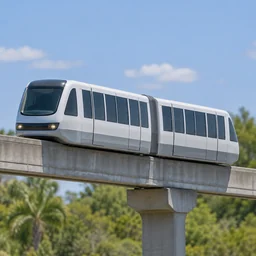
- MonorailYui Railabout 2 min¥250
- Walkabout 10 min
More about this ride
Ferries leave from in front of Tomarin, but the high-speed boats (Marine Liner Tokashiki and Queen Zamami) leave from the North Bank (Hokugan) of the port, about 15 minutes' walk from the station according to Zamami Village. Marine Liner Tokashiki tickets are sold at counter 4 on Tomarin's 1st floor from 8:00 and at a booth by the boat on the North Bank from 1 hour before departure (as of October 2026, official site). Allow time for the walk between the two. By taxi, Tokashiki Village says to go straight to the North Bank if you are taking the Marine Liner.
- Get offTomarin (Tomari Port terminal building)
For reference only. Travel times depend on traffic, and routes and fares change. Check the operator's official site before you go (as of October 2026, official sites).
From the airport, we haven't checked a route to the port yet (unconfirmed — see each village's access page).
How to book the boat
Book the boat directly with the village. You don't need a travel agent or a tour to ride these boats.
Zamami. - Online booking opens 55 days before the sailing. - Phone booking (098-868-4567, 10:00–17:00) opens one month before and closes the day before. - No same-day reservations. You pick up and pay for the ticket at the counter on the day, with your reservation number (as of October 2026, official site).
Tokashiki. - Booking opens two months before the sailing. Online, it opens at midnight on that day on the Tokashiki Ferry Portal. - Phone: 098-868-7541 (10:00–17:00). Book by the day before. - Without a booking you can still buy at the window if seats are left. The village recommends booking, because sailings can fill up (as of October 2026, official site). - Be at the window at least 30 minutes before departure (as of October 2026, official site).
The booking pages are in Japanese. Zamami's official ferry information is in Japanese only; its English visitor page was not available when we checked. Both villages list a phone number for questions; whether staff speak English is not confirmed.
Zamami or Tokashiki?
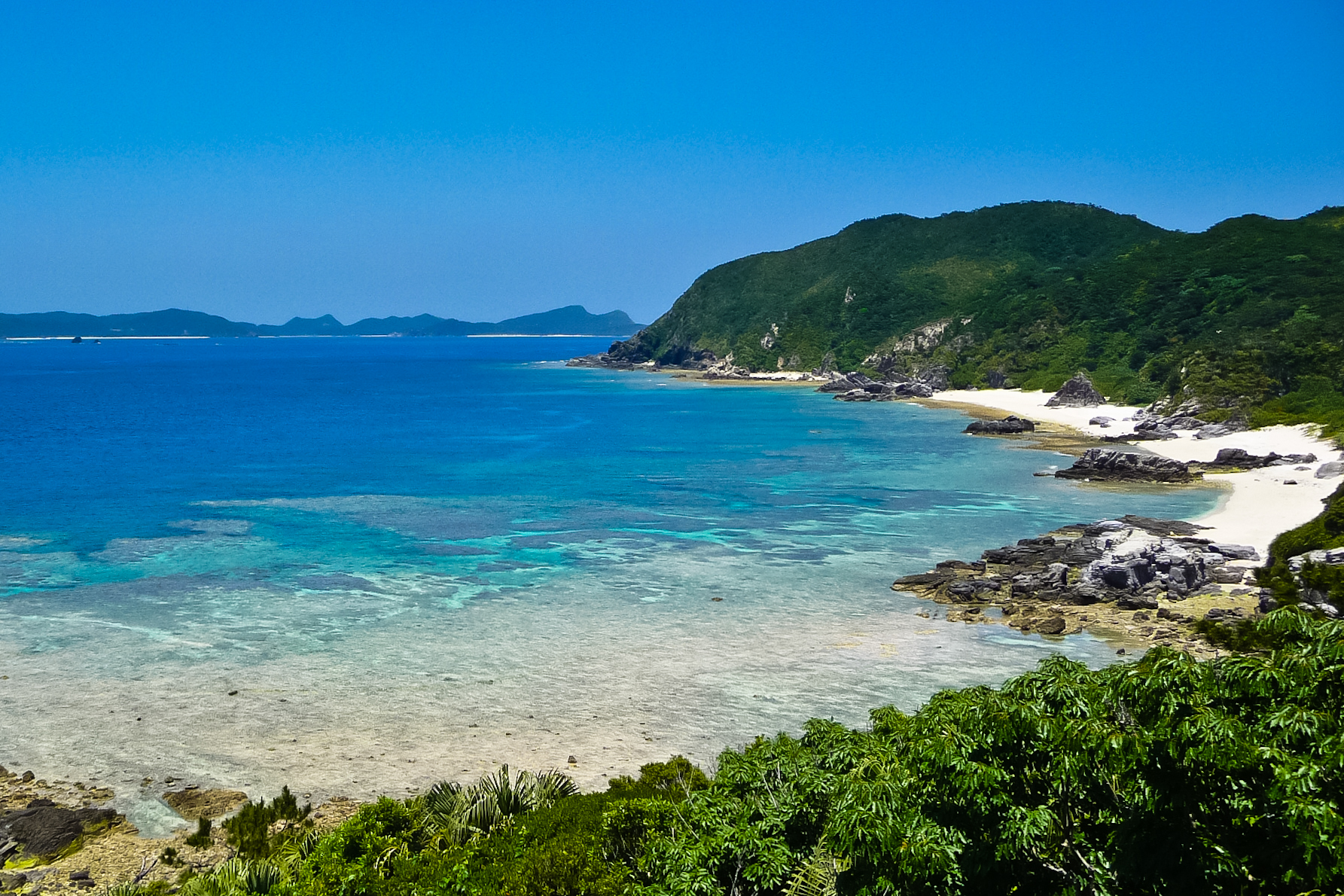
Both islands work as a day trip. Which one fits depends on how long you want on the island and how much you want to spend on the boat.
Pick Tokashiki if you want the shortest, cheapest crossing. The ferry runs once a day each way all year, out in the morning and back in the afternoon. The high-speed boat makes two round trips a day, and three in Golden Week and on Fridays to Sundays from July to September (as of October 2026, official site).
Pick Zamami if you also want to see Aka Island, or you're going for winter whale watching (see below). On days the Queen Zamami makes its usual morning and afternoon runs, you can go out in the morning and come back late in the afternoon.
Heads-up for fall 2026. The Queen Zamami is out of service for dock maintenance from October 20 to December 3, 2026. During that time only the Ferry Zamami runs. In November it makes one round trip on most days, which leaves about three hours on Zamami, and two sailings on some weekends. The village's December timetable shows the Queen Zamami running again from December 4. Check the timetable for your date before you book (as of October 2026, official site).
A sample day trip
We don't print timetables here, because the times change by season and by day. Here is the shape of the day; check the village's timetable for the date you want.
- Morning: get to Tomarin early, pick up your ticket and walk to your boat.
- Late morning: arrive on the island. Spend the day at the beach, snorkeling or walking.
- Afternoon: be back at the island's port in time for the return boat.
- Evening: back in Naha for dinner.
Tokashiki's season changes the return time. The village runs a summer timetable from March 1 to September 30 and a winter timetable from October 1 to the end of February. In winter the afternoon boats leave the island earlier (as of October 2026, official site).
Day trip or overnight?
A day trip works for most first-time visitors. Consider staying a night if:
- you want to dive more than once, or
- you're taking the slower ferry, which leaves you fewer hours on the island.
Don't put the islands on your last day. Boats can be cancelled for weather (see below). Leave a spare day between your island trip and your flight home.
Booking order
- The boat. Book it as soon as your dates are fixed. Bookings open about two months ahead (55 days for Zamami online).
- A room on the island, if you're staying overnight.
- Snorkel, dive or whale-watching tours. Book these after the boat, so the tour matches the time you arrive. For whale watching, the association says to book with each boat directly.
When boats don't run
Rain alone doesn't stop the boats. Waves do. Tokashiki's FAQ explains it this way (as of October 2026, official site):
- The high-speed boat may be cancelled when waves reach 3 meters or more.
- The ferry may be cancelled at 4 meters or more.
- Typhoons and weather fronts can also cancel sailings.
- The decision is made at 8:00 on the day, and posted on the Tokashiki Ferry Portal. If you booked online and asked for notices, you get an email around 8:00.
- A cancelled sailing is refunded. To travel later, you have to book again.
For Zamami, check the village's operation page (Japanese) or call the ship office (098-987-2614) on the morning you go. The village's pages don't say what time it decides (unconfirmed — check with the ferry operator on the day).
Typhoons are the main reason boats stop in summer and fall. We don't forecast typhoons; for warnings, follow the Japan Meteorological Agency.
When to go
Average typhoon approaches to the Okinawa region peak in August (2.2) and September (1.9), with 1.5 in July and 1.1 in October (Japan Meteorological Agency, 1991–2020 averages). Those are the months boats are most likely to stop.
- April to early May, or October: fewer typhoons than in late summer, and before or after the rainy season, which runs from around May 10 to around June 21 on average.
- June to September: peak beach season. Okinawa Prefecture's box jellyfish advisory runs June 1 to September 30 (2026), and stings are most common from June to September.
- Winter: whale-watching season. The Zamami Village Whale Watching Association ran its 2026 season from January 8 to March 25; 2027 dates are not announced yet (as of October 2026, official site).
| Jan | Feb | Mar | Apr | May | Jun | Jul | Aug | Sep | Oct | Nov | Dec | |
|---|---|---|---|---|---|---|---|---|---|---|---|---|
| Avg high | 68°20°C | 68°20°C | 71°22°C | 76°24°C | 81°27°C | 86°30°C | 89°32°C | 89°32°C | 87°31°C | 83°28°C | 77°25°C | 71°22°C |
| Avg low | 59°15°C | 59°15°C | 62°17°C | 66°19°C | 72°22°C | 77°25°C | 81°27°C | 80°27°C | 78°26°C | 74°24°C | 69°20°C | 62°17°C |
| Rain | 4.0"102mm | 4.5"114mm | 5.6"143mm | 6.3"161mm | 9.7"245mm | 11.2"284mm | 7.4"188mm | 9.4"240mm | 10.8"275mm | 7.1"179mm | 4.7"119mm | 4.3"110mm |
| Typhoons | – | – | – | – | 0.4 | 0.6 | 1.5 | 2.2 | 1.9 | 1.1 | 0.3 | – |
| Rainy season | ● | ● | ||||||||||
| Box jellyfish | ● | ● | ● | ● | ||||||||
| Golden Kings | ● | ● | ● | ● | ● | ● | ● | ● |
- Typhoons: about 7.7 a year come near Okinawa, most in August and September. Flights and ferries can stop for a day or two — keep your plans flexible in late summer.
- Rainy season: around May 10 to around June 21 in a typical year.
- Swimming: Swim at managed beaches during their swimming season, when lifeguards keep watch and nets are set against box jellyfish. Many beaches have neither. Check the beach's official page before you go.
- Box jellyfish: advisory June 1 – September 30 (2026); most stings June to September; swim inside the nets and cover your legs.
- Basketball: B.LEAGUE season runs fall to spring, with playoffs in May.
- The nonstop: United's SFO–Naha nonstop starts March 27, 2027, three times a week. Some reports say it is seasonal; that is not confirmed yet.
Climate: Japan Meteorological Agency, Naha climate normals 1991–2020. Typhoons: JMA normals. Jellyfish: Okinawa Prefecture, box jellyfish advisory. Checked 2026-10-10.
Swimming. Swim at managed beaches during their swimming season, when lifeguards keep watch and nets are set against box jellyfish. Which beaches on Zamami and Tokashiki have lifeguards and nets, and when, is unconfirmed — ask the village or your tour before you swim. Our beach guide explains how managed beaches work.
Respect the islands
The Kerama Islands are a national park, and the coral is what people come for.
- Mind your fins. The Ministry of the Environment notes that fin kicks from divers and snorkelers damage coral. Keep your feet off the reef.
- Follow the local guidelines. Zamami and Tokashiki have an overall plan for eco-tourism in the area, aimed at protecting the coral reefs. Japan's government approved it in June 2012 under the Ecotourism Promotion Act, under which areas designated as protected natural tourism resources are off-limits to damaging or removing them and to littering (Ministry of the Environment). Whether any such designation is in force in the Kerama Islands is unconfirmed. The detailed rules for visitors are unconfirmed here; ask your tour or the village.
- Whales come first. The whale-watching association follows its own guidelines to protect humpback whale breeding. Go with a member boat.
Official info
- Zamami Village — ship fares and booking (Japanese)
- Zamami Village — operation information and timetable (Japanese)
- Tokashiki Village — information for visitors (English)
- Tokashiki Ferry Portal — booking and operation status (Japanese)
- Ministry of the Environment — Keramashoto National Park
- Zamami Village Whale Watching Association (Japanese)
Planning the rest of your trip? Our Okinawa 101 covers the basics, and where to stay helps you pick a base in Naha for the boat.
Sources
- Zamami Village — ship fares and booking (official, Japanese)
- Zamami Village — ferry operation information and timetable (official, Japanese)
- Tokashiki Village — English information for visitors, fares from October 1, 2026
- Tokashiki Village — ferry FAQ (official, Japanese)
- Tokashiki Village — timetable, fares and booking contacts (official, Japanese)
- Tokashiki Ferry Portal (official booking and operation status, Japanese)
- Ministry of the Environment — Keramashoto National Park
- Ministry of the Environment — Keramashoto National Park, efforts
- Ministry of the Environment — approval of the Kerama eco-tourism plan, June 2012 (Japanese)
- Zamami Village Whale Watching Association (Japanese)
- Japan Meteorological Agency — typhoon normals (Japanese)
- Okinawa Prefecture, box jellyfish advisory
- Federal Reserve — yen per dollar (H.10, via FRED)