Okinawa Beaches Compared: Which Beach Fits Your Trip?
Four managed beaches on Okinawa's main island, from a city beach in Naha to the beach inside the Churaumi Aquarium park. Season, lifeguards, jellyfish nets, showers and how to get there, side by side.
- Managed beaches
- swim season roughly April to October, lifeguards on duty
- Box jellyfish advisory
- June 1 – September 30 (2026), swim inside the nets
- Closest to Naha
- Naminoue Beach
- Best time
- April to early May
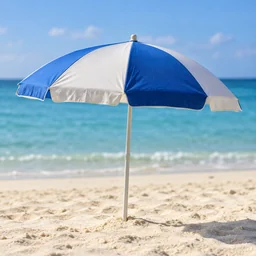

You walk down to the sand at nine in the morning, the hour the swimming area opens at Naminoue and the Chatan beaches, and the lifeguards are already on duty. The water in front of you is a marked swimming area. On a summer day at a beach with a jellyfish net, that net is there to help keep box jellyfish away from swimmers.
That is how swimming works on Okinawa's main island: at a managed beach, during its own swimming season, inside its marked area. This guide compares four managed beaches you can reach from the places most visitors stay, so you can pick one before you book.
- Families who want lifeguards and showers
- First-time visitors staying in Naha or Chatan
- Anyone pairing a beach with the Churaumi Aquarium
- Travelers deciding which area to stay in
- 4Managed beaches compared: Naha, two in Chatan, Motobu
- Apr–OctTypical swimming season at these beaches (2026)
- Jun 1 – Sep 30Box jellyfish advisory (2026)
- FreeSwimming and showers at Emerald Beach
As of October 2026, each beach's official page and Okinawa Prefecture
How Okinawa beaches work
If you know beaches in Hawaii or California, three things here are different.
- Each beach sets its own season. Naminoue and the two Chatan beaches open with a ceremony in spring (in Japanese, umibiraki, "opening of the sea"), and all four close in the fall. Outside the season and the daily hours, no lifeguards watch the water.
- You swim inside a marked area. At Naminoue, for example, the park rules ban swimming outside the set area or outside the hours.
- Nets help keep out box jellyfish. Okinawa Prefecture runs a box jellyfish (habu-kurage) advisory from June 1 to September 30 (2026 dates). The prefecture's advice is to swim inside the nets and cover your legs.
Not every beach is managed. Many beaches in Okinawa have no lifeguards and no nets. This guide only covers beaches whose operators publish a season, hours and staff. A net lowers the risk; it does not remove it.
Beaches close for the day, too. Lifeguards close the water for high waves, typhoons and other dangers. In 2026, Naminoue Beach stopped swimming for typhoons more than once, and on July 20 closed it after a shark about 1 meter long was seen and could not be identified (official site). Check the beach's news page on the morning you go.
Naha: Naminoue Beach
Naminoue Beach (波の上ビーチ, Naminoue = "above the waves") is the beach you can walk to from downtown Naha. It sits below Naminoue Shrine, which stands on a cliff above it. The Naha City Tourism Association calls it the only sand beach in Naha.
- Season: April to October. In 2026 the beach opened on April 5, and swimming started after the opening ceremony.
- Hours: 9:00 to 18:00.
- Lifeguards: on duty at all times during swimming hours.
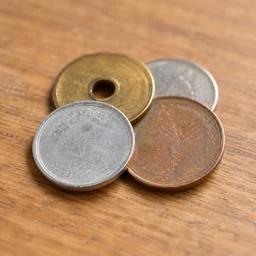
- Showers: pay with ¥100 coins. ¥200 on the Wakasa side and ¥100 on the Tsuji side, for a few minutes of water.
- Lockers: ¥200 small, ¥300 or ¥400 large, depending on the side. ¥100 coins only.
- Also: changing rooms, toilets and a kiosk (all as of October 2026, official site).
Not confirmed: the official beach guide doesn't say whether a jellyfish net is set, or where to park and what it costs. Ask the management office (098-863-7300) before you count on either.
Rules worth knowing. No barbecues, fireworks or other open flames, and no glass bottles. Pets stay off the sand and out of the water. Children must swim with a guardian. Snorkeling and diving are only in a set area, and you check in with the office first (park rules as of October 2026, official site).
Getting there. Take the monorail into town:
- StartNaha Airport Station
- MonorailYui Railabout 11 min¥290
- Get offAsahibashi Station

For reference only. Travel times depend on traffic, and routes and fares change. Check the operator's official site before you go (as of October 2026, official sites).
From Asahibashi Station, the Naha City Tourism Association's walking course puts Naminoue Shrine about 15 minutes on foot (1.1 km), and the beach about 2 minutes past the shrine. That course page dates from February 2020, so allow some extra time.
Chatan: Araha Beach and Sunset Beach
Chatan (北谷) is the coastal town north of Naha with Mihama American Village, the shopping and dining area. It has two managed beaches, both run for the town. Both opened for 2026 on April 10.
Araha Beach
Araha Beach sits in Aranami Park, with about 600 meters of white sand and a promenade for walking and running. The park also has play equipment and a small train ride.
- 2026 hours: 9:00–17:30 from April 10 to July 19; 9:00–18:00 from July 20 to August 31; 9:00–17:30 in September; 9:00–17:00 in October.
- November: the town listed an extension as undecided.
- Facilities: toilets, showers and coin lockers.
- Parking: 86 spaces in the central lot and 60 on the south side (all as of October 2026, Chatan Town and park manager).
The park manager's page doesn't list a parking fee, and we couldn't find the 2026 shower prices, so treat both as unconfirmed.
Sunset Beach
Sunset Beach is in Chatan Park, and has the longest 2026 season of the four beaches here.
- 2026 hours: 9:00–17:30 from April 10 to June 30; 9:00–18:00 in July and August; 9:00–17:30 in September; 9:00–17:00 in October and November.
- Season end: the town's 2026 schedule runs to November 30, longer than Araha's.
- Facilities: toilets, showers and lockers. Parking is shared with Chatan Park (all as of October 2026, Chatan Town).
Lifeguards and nets in Chatan. For the 2025 season, the town said qualified lifeguards were always on duty and nets against jellyfish were set inside the swimming areas of both beaches. It also gave Sunset Beach showers as ¥100 for 3 minutes. The 2026 page doesn't repeat these details, so check them when you arrive.
Getting there. Bus 120 runs from Naha Airport to Chatan:
- StartDomestic Passenger Terminal stop
stop 5, 1st floor: go out of the domestic arrivals lobby; the stop is on the curb in front of it, toward the international terminal side
- Bus 120Okinawa Bus / Ryukyu Bus Kotsu (joint)about 70 min¥900
More about this ride
About 55 to 80 minutes by the timetable, depending on the time of day and the route through Naha. The walk from the stop to the shops is not confirmed here.
- Get offMihama American Village Iriguchi

For reference only. Travel times depend on traffic, and routes and fares change. Check the operator's official site before you go (as of October 2026, official sites).
Which stop is nearest each beach, and how long the walk is, we haven't confirmed yet. Our American Village guide covers the area around it.
Motobu: Emerald Beach
Emerald Beach is inside Ocean Expo Park in Motobu, the same park as the Okinawa Churaumi Aquarium. It's the easy add-on to an aquarium day.
- Season: April 1 to October 31.
- 2026 hours: 8:30–18:30 through June 30; 8:30–17:00 from July 1 to October 31.
- Cost: swimming and showers are free.
- Lifeguards: lifeguards and nurses on duty.
- Jellyfish net: yes.
- Lockers: ¥100.
- Rentals: for example, a large swim ring for ¥1,500 or a life jacket for ¥1,000, with a ¥1,000 deposit returned when you hand it back.
- Parking: the nearest lot is P9 (Emerald Parking). All of the park's lots are free (all as of October 2026, official site).
Snorkeling is not allowed here, for safety. The beach has three sections ("play," "rest" and "view"). In 2026, swimming was allowed only in the play section, and some areas were still in a trial period. The swimming area has a bed of coral sand.
It's about a 14-minute walk from the park's information center (Haisai Plaza), and a paid trolley also runs in the park (official site).
Getting there. Expressway bus 117 runs from the airport to the aquarium stop:
- StartDomestic Passenger Terminal stop
stop 2 (central and northern expressway buses), 1st floor; check the airport's bus stop map for its place
- Bus 117 (expressway bus)Ryukyu Bus Kotsu / Okinawa Bus / Naha Bus / Toyo Bus (joint)about 140 min¥2,880
More about this ride
About 2 hours 10 minutes to 2 hours 30 minutes by the timetable. Only some route 117 buses start at the airport, and none leave it in the late afternoon or evening, so check the operator's timetable before you plan on it. The bus continues to the Orion Hotel Motobu Resort & Spa stop.
- Get offKinen-Koen-mae (Okinawa Churaumi Aquarium)
For reference only. Travel times depend on traffic, and routes and fares change. Check the operator's official site before you go (as of October 2026, official sites).
Our Churaumi and Motobu guide covers the aquarium and the rest of the area.
Onna coast and the Kerama Islands
We left two well-known beach areas out of this comparison, on purpose.
- The Onna coast (恩納) is lined with resort hotels, and many of the beaches there belong to them. We cover those in our beach resorts guide. If you're staying on the coast, Cape Manzamo makes an easy half-day stop.
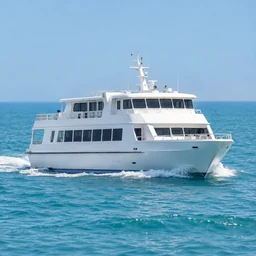
- The Kerama Islands are a boat ride west of Naha, and a trip of their own. We'll compare them in a separate island guide.
The four beaches side by side
All four are managed beaches with lifeguards during their season. "Unconfirmed" means the official page didn't say.
| Naminoue | Araha | Sunset Beach | Emerald Beach | |
|---|---|---|---|---|
| Area | Naha (city) | Chatan | Chatan | Motobu (aquarium park) |
| 2026 season | Apr 5 – Oct | Apr 10 – Oct 31 | Apr 10 – Nov 30 | Apr 1 – Oct 31 |
| Hours (summer) | 9:00–18:00 | 9:00–18:00 | 9:00–18:00 | 8:30–17:00 |
| Jellyfish net | Unconfirmed | Yes (2025) | Yes (2025) | Yes |
| Showers | ¥100–¥200 | Yes, price unconfirmed | ¥100 (2025) | Free |
| Parking | Unconfirmed | 146 spaces, fee unconfirmed | Yes, fee unconfirmed | Free (P9) |
| Snorkeling | Set area only, ask first | Unconfirmed | Unconfirmed | Not allowed |
| Best for | No car, staying in Naha | Families, long walk on the sand | Sunset, dinner at American Village | Aquarium day |
Hours and seasons as of October 2026, from each beach's official page; "(2025)" marks details the town gave for the 2025 season.
When to go
| Jan | Feb | Mar | Apr | May | Jun | Jul | Aug | Sep | Oct | Nov | Dec | |
|---|---|---|---|---|---|---|---|---|---|---|---|---|
| Avg high | 68°20°C | 68°20°C | 71°22°C | 76°24°C | 81°27°C | 86°30°C | 89°32°C | 89°32°C | 87°31°C | 83°28°C | 77°25°C | 71°22°C |
| Avg low | 59°15°C | 59°15°C | 62°17°C | 66°19°C | 72°22°C | 77°25°C | 81°27°C | 80°27°C | 78°26°C | 74°24°C | 69°20°C | 62°17°C |
| Rain | 4.0"102mm | 4.5"114mm | 5.6"143mm | 6.3"161mm | 9.7"245mm | 11.2"284mm | 7.4"188mm | 9.4"240mm | 10.8"275mm | 7.1"179mm | 4.7"119mm | 4.3"110mm |
| Typhoons | – | – | – | – | 0.4 | 0.6 | 1.5 | 2.2 | 1.9 | 1.1 | 0.3 | – |
| Rainy season | ● | ● | ||||||||||
| Box jellyfish | ● | ● | ● | ● | ||||||||
| Golden Kings | ● | ● | ● | ● | ● | ● | ● | ● |
- Typhoons: about 7.7 a year come near Okinawa, most in August and September. Flights and ferries can stop for a day or two — keep your plans flexible in late summer.
- Rainy season: around May 10 to around June 21 in a typical year.
- Swimming: Swim at managed beaches during their swimming season, when lifeguards keep watch and nets are set against box jellyfish. Many beaches have neither. Check the beach's official page before you go.
- Box jellyfish: advisory June 1 – September 30 (2026); most stings in July and August; swim inside the nets and cover your legs.
- Basketball: B.LEAGUE season runs fall to spring, with playoffs in May.
- The nonstop: United's SFO–Naha nonstop starts March 27, 2027, three times a week. Some reports say it is seasonal; that is not confirmed yet.
Climate: Japan Meteorological Agency, Naha climate normals 1991–2020. Typhoons: JMA normals. Jellyfish: Okinawa Prefecture, box jellyfish advisory. Checked 2026-10-10.
April to early May is the sweet spot. The beaches are open, typhoon approaches are few (0.0 on average in April, 0.4 in May), and you're outside the box jellyfish advisory. October still has open beaches and no jellyfish advisory, but it averages about one typhoon approach (1.1 a year, Japan Meteorological Agency normals), so keep plans flexible. In Naha, the average high is 24.3°C (76°F) in April and 28.1°C (83°F) in October (Japan Meteorological Agency, 1991–2020 normals). Avoid Japan's Golden Week holidays in early May if you can, when hotel rates peak.
June to September is peak swim season, but it comes with three things to plan around:
- Rain: the rainy season usually runs from around May 10 to around June 21.
- Jellyfish: the advisory runs June 1 to September 30. Swim inside the nets.
- Typhoons: August averages 2.2 typhoon approaches to the Okinawa region and September 1.9 (JMA normals). On a typhoon day the beaches close, and parks may close too.
November to March, the managed beaches are mostly closed for swimming. Sunset Beach's 2026 schedule runs into November. In winter you can still walk the sand, but there are no lifeguards in the water.
The 2027 seasons haven't been announced (as of October 2026). Each beach posts its opening date in spring. The United nonstop from San Francisco is scheduled to start on March 27, 2027, just before most of these beaches open, so check the date before an early-April swim day.
Swim safely
Reef currents. Around Okinawa's coral reefs, strong currents can run out to sea through gaps in the reef. The 11th Regional Coast Guard Headquarters, which covers Okinawa, links these "reef currents" to many drownings and publishes a map of where they occur. Its pages are in Japanese.
We don't call any beach "safe." The prefecture's advice is to swim inside the nets, and a managed beach gives you lifeguards on top, but conditions change every day.
Official info

- Naminoue Beach (official, Japanese) — news page for daily closures
- Chatan Town — 2026 beach opening, hours for both beaches (Japanese)
- Ocean Expo Park — Emerald Beach
- Okinawa Prefecture — box jellyfish advisory (search the prefecture's site for "habu-kurage")
- Japan Coast Guard — sea bathing safety (Japanese)
Stay near the beach you pick
Picked a beach? Base yourself near it. Our where to stay guide compares the four main areas to stay in, and the best time to visit goes month by month through the beach season.
Sources
- Naminoue Umisora Park / Naminoue Beach — beach guide (official, Japanese)
- Naminoue Beach — park rules (official, Japanese)
- Naminoue Beach — 2026 beach opening notice (official, Japanese)
- Naminoue Beach — swimming closed after a shark sighting, July 20, 2026 (official, Japanese)
- Naha City Tourism Association — The gateway to Okinawa walking course
- Chatan Town — 2026 beach opening at Sunset Beach and Araha Beach (Japanese)
- Chatan Town — 2025 swimming information for Sunset Beach and Araha Beach
- Chatan Town — Aranami Park Araha Beach
- Chatan Regional Development Center — Aranami Park (Japanese)
- Ocean Expo Park — Emerald Beach
- Ocean Expo Park — FAQ
- Okinawa Prefecture, box jellyfish advisory
- Japan Coast Guard — sea bathing safety (Japanese)
- 11th Regional Coast Guard Headquarters — reef currents (Japanese)
- Japan Meteorological Agency — Naha climate normals (Japanese)
- Japan Meteorological Agency — typhoon normals (Japanese)
- Japan Meteorological Agency — rainy season normals (Japanese)
- Naha Airport Terminal — bus guide
- Yui Rail — fares and travel times from Naha Airport
Corrections and updates
- 2026-10-23 — When to go: April typhoon approaches now read "0.0 on average" (the Japan Meteorological Agency normal) instead of "none on average"