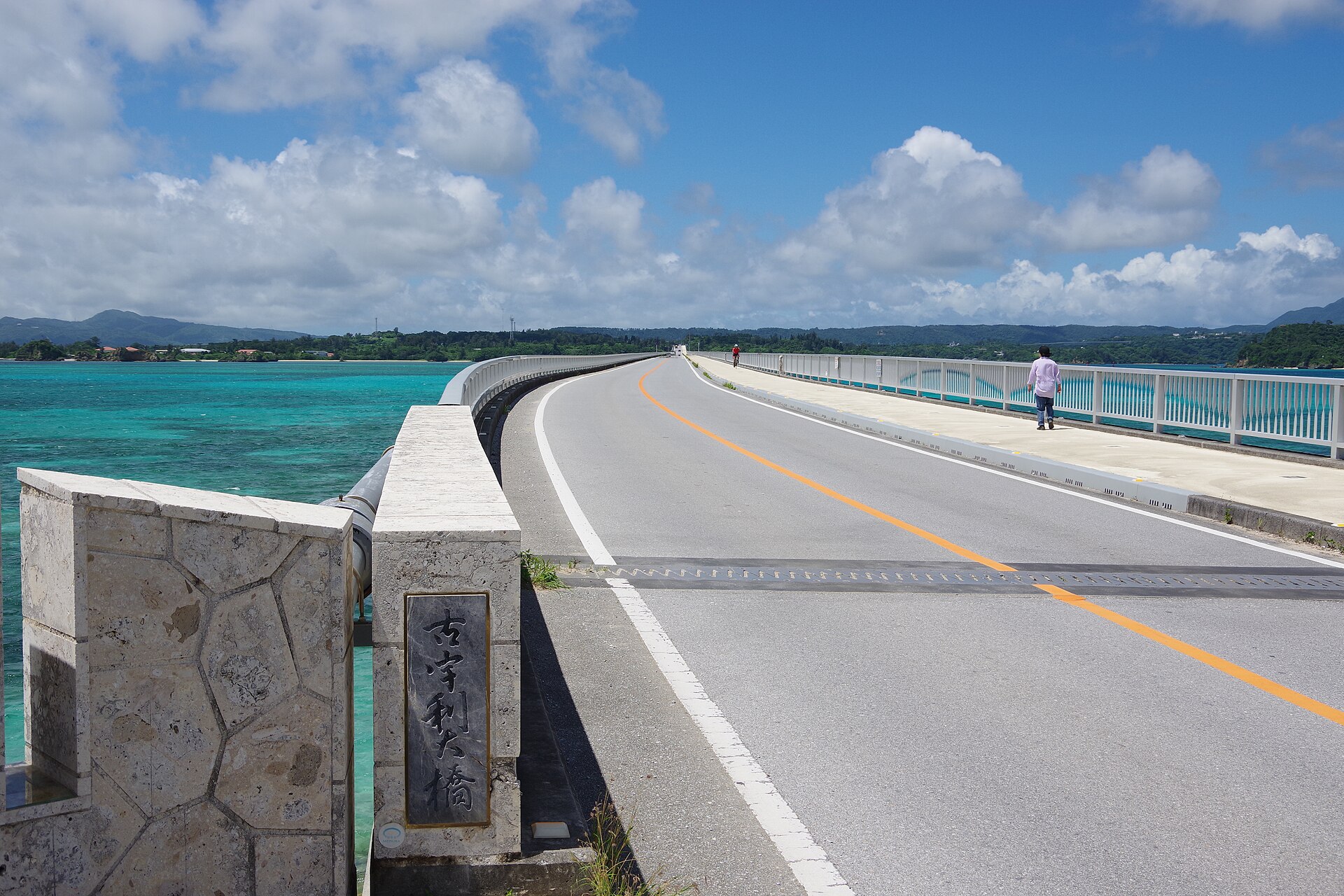
Best Time to Visit Okinawa: Month by Month for Beaches, Rain and Typhoons
Pick your Okinawa dates with the official numbers in hand: temperatures, rain and typhoons for every month, plus when to swim, when it pours, and which big events are worth flying in for.
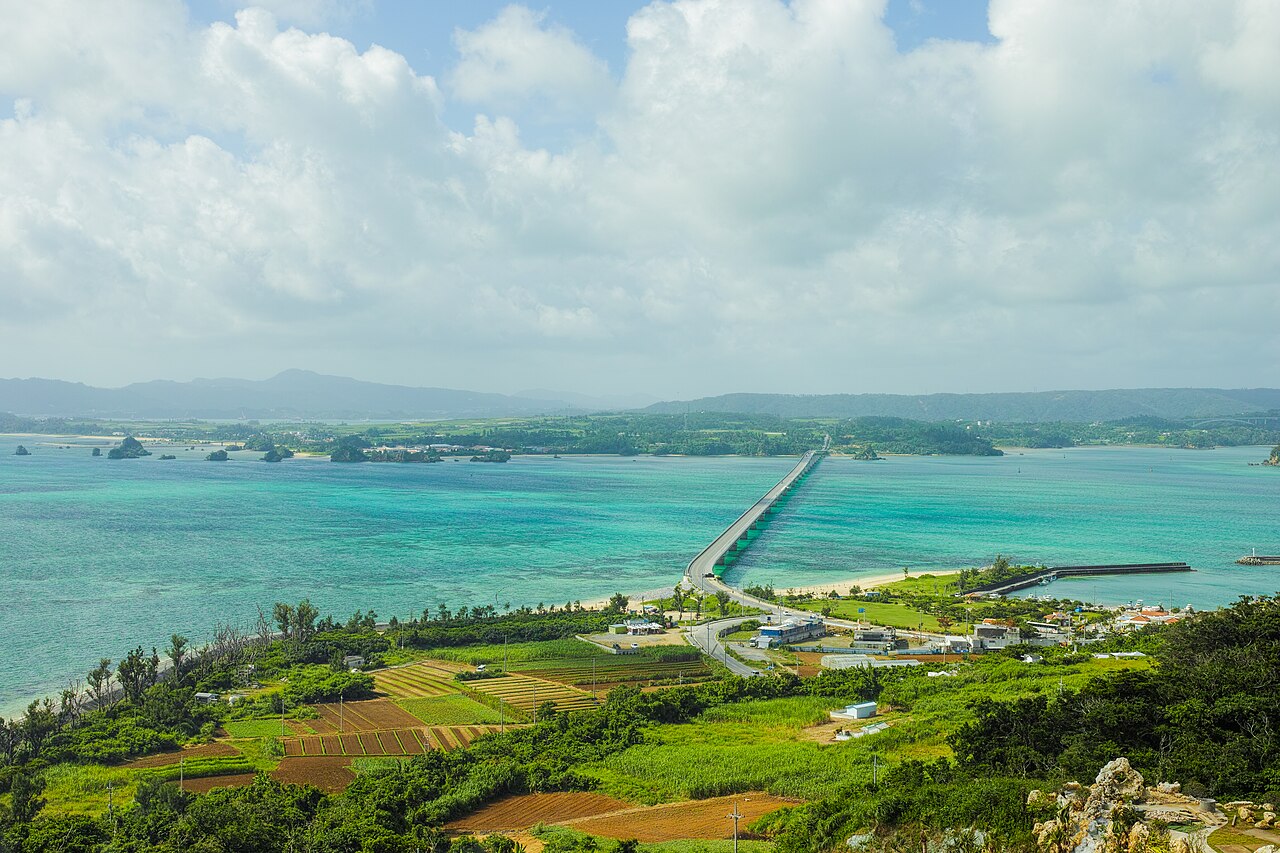
- Beaches
- June to September are hottest, but that's also jellyfish and typhoon season
- Sightseeing
- March, November and December are mild and drier
- Fewest typhoons
- December to April (JMA normals)
- Rainy season
- about May 10 – June 21
- Our pick for most first trips
- late March to April, or November

You have the flight search open and two calendars side by side: yours and Okinawa's. In January, Naha's afternoons average 68°F. In August they average 89°F, and that's also the month typhoons come closest most often. Somewhere in between is the week that fits your trip.
This guide lays out every month with the official numbers, then tells you which months suit beach days, sightseeing, big events and a Golden Kings basketball game.
- Travelers choosing dates for the new SFO–Naha nonstop
- Beach-goers who want warm water without the storm season
- US military families planning visits from home
- 68°FNaha's average high in January. Winter is mild, not cold
- 7.7Typhoons that come near Okinawa in an average year. August is the peak, at 2.2
- May 10 – Jun 21The rainy season in a typical year (both dates approximate)
- Jun 1 – Sep 30Okinawa Prefecture's box jellyfish advisory in 2026
As of October 2026, Japan Meteorological Agency 1991–2020 normals and Okinawa Prefecture
Quick answer by trip type
- Beach and swimming: June to September are the hottest months, with average highs of 86–89°F. They're also the jellyfish advisory months, and July to September bring the most typhoons. Late June, after the rainy season usually ends, is the hot stretch with fewer typhoons.
- Sightseeing on foot: March, November and December have highs in the 70s°F and under 6 inches of rain a month. A day of walking around a castle is easier when it isn't 89°F.
- Big events: October to February is festival, marathon and cherry-blossom season. See the event list below.
- A Golden Kings game: the pro basketball season runs October to May, with playoffs in May.
- Fewest typhoons: December to April (JMA normals). JMA's 1991–2020 normals show no typhoons near Okinawa from January to March, and an average of 0.0 in April and December.
Month by month
Numbers are Naha averages from the Japan Meteorological Agency (JMA) for 1991–2020. "Typhoons" is how many come near the Okinawa region in an average month; "–" means none in 1991–2020.
| Month | Avg high | Rain | Typhoons | Beach | Sightseeing | Kings season |
|---|---|---|---|---|---|---|
| Jan | 68°F (20°C) | 4.0 in | – | – | ○ | ● |
| Feb | 68°F (20°C) | 4.5 in | – | – | ○ | ● |
| Mar | 71°F (22°C) | 5.6 in | – | – | ◎ | ● |
| Apr | 76°F (24°C) | 6.3 in | 0.0 | △ | ○ | ● |
| May | 81°F (27°C) | 9.7 in | 0.4 | ○ | △ | ● playoffs |
| Jun | 86°F (30°C) | 11.2 in | 0.6 | ◎ | △ | |
| Jul | 89°F (32°C) | 7.4 in | 1.5 | ◎ | △ | |
| Aug | 89°F (32°C) | 9.4 in | 2.2 | ◎ | △ | |
| Sep | 87°F (31°C) | 10.8 in | 1.9 | ◎ | △ | |
| Oct | 83°F (28°C) | 7.1 in | 1.1 | ○ | ○ | ● |
| Nov | 77°F (25°C) | 4.7 in | 0.3 | △ | ◎ | ● |
| Dec | 71°F (22°C) | 4.3 in | 0.0 | – | ◎ | ● |
How we set the marks. The marks in this table come only from its numbers, not from our opinion. The "our pick" in the summary box at the top is our own recommendation.
- Beach: ◎ = average high 84°F (29°C) or more. ○ = 81–84°F (27–29°C). △ = 75–81°F (24–27°C). – = cooler than that. This mark is about heat only, so read it next to the typhoon column and the jellyfish advisory.
- Sightseeing: ◎ = average high 70–79°F (21–26°C) and less than 5.9 inches (150 mm) of rain. △ = average high 84°F (29°C) or more, or 9.4 inches (240 mm) of rain or more. ○ = everything in between.
For the full year at a glance, including average lows, the rainy season and the jellyfish advisory, here is the same data as a chart:
| Jan | Feb | Mar | Apr | May | Jun | Jul | Aug | Sep | Oct | Nov | Dec | |
|---|---|---|---|---|---|---|---|---|---|---|---|---|
| Avg high | 68°20°C | 68°20°C | 71°22°C | 76°24°C | 81°27°C | 86°30°C | 89°32°C | 89°32°C | 87°31°C | 83°28°C | 77°25°C | 71°22°C |
| Avg low | 59°15°C | 59°15°C | 62°17°C | 66°19°C | 72°22°C | 77°25°C | 81°27°C | 80°27°C | 78°26°C | 74°24°C | 69°20°C | 62°17°C |
| Rain | 4.0"102mm | 4.5"114mm | 5.6"143mm | 6.3"161mm | 9.7"245mm | 11.2"284mm | 7.4"188mm | 9.4"240mm | 10.8"275mm | 7.1"179mm | 4.7"119mm | 4.3"110mm |
| Typhoons | – | – | – | – | 0.4 | 0.6 | 1.5 | 2.2 | 1.9 | 1.1 | 0.3 | – |
| Rainy season | ● | ● | ||||||||||
| Box jellyfish | ● | ● | ● | ● | ||||||||
| Golden Kings | ● | ● | ● | ● | ● | ● | ● | ● |
- Typhoons: about 7.7 a year come near Okinawa, most in August and September. Flights and ferries can stop for a day or two — keep your plans flexible in late summer.
- Rainy season: around May 10 to around June 21 in a typical year.
- Swimming: Swim at managed beaches during their swimming season, when lifeguards keep watch and nets are set against box jellyfish. Many beaches have neither. Check the beach's official page before you go.
- Box jellyfish: advisory June 1 – September 30 (2026); most stings in July and August; swim inside the nets and cover your legs.
- Basketball: B.LEAGUE season runs fall to spring, with playoffs in May.
- The nonstop: United's SFO–Naha nonstop starts March 27, 2027, three times a week. Some reports say it is seasonal; that is not confirmed yet.
Climate: Japan Meteorological Agency, Naha climate normals 1991–2020. Typhoons: JMA normals. Jellyfish: Okinawa Prefecture, box jellyfish advisory. Checked 2026-10-10.
Compared with San Francisco
If you're flying from the Bay Area, expect Naha to be warmer than home in every month. Average highs in downtown San Francisco and in Naha, from each country's official 1991–2020 normals:
| Jan | Apr | Jul | Oct | |
|---|---|---|---|---|
| San Francisco (downtown) | 58°F | 63°F | 66°F | 70°F |
| Naha | 68°F | 76°F | 89°F | 83°F |
The rain runs the other way. San Francisco gets most of its rain in winter and almost none in summer: about 0.2 inches in an average June, against 11.2 inches in Naha. Bring a light rain jacket for a May or June trip, even if you never need one at home.
Swimming season and jellyfish
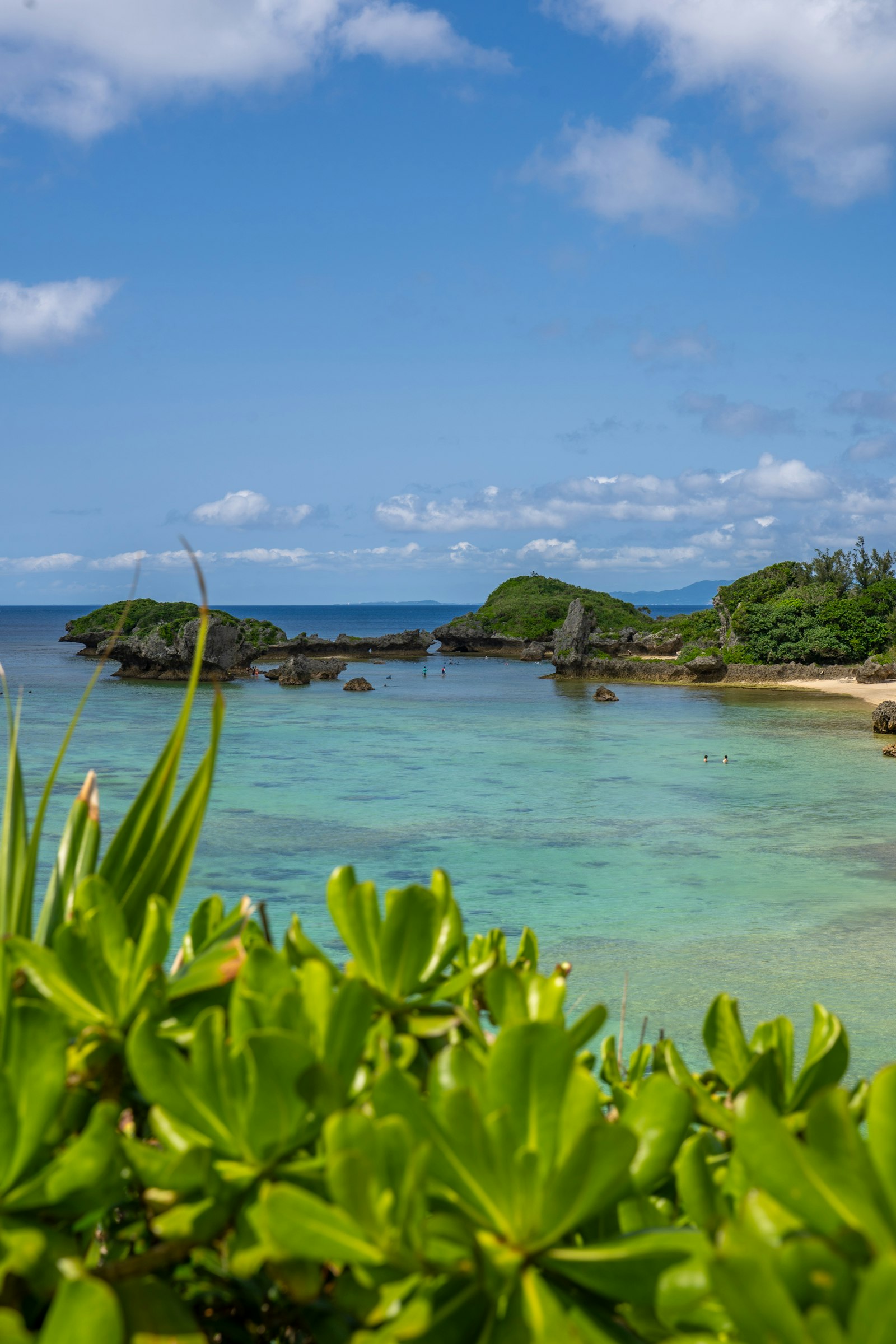
Beaches set their own dates. Each managed beach in Okinawa decides its own swimming season every year, with lifeguards and nets while it's open. We don't list opening dates here, because they differ by beach and change year to year. Check the beach's official page before you plan a swim day.
Box jellyfish. Okinawa Prefecture runs a box jellyfish (habu-kurage) advisory from June 1 to September 30 (2026 dates). Those are the months when stings happen most, as more people go in the sea. Swim at beaches with jellyfish nets and lifeguards, and stay inside the nets.
Rainy season (May–June)
Okinawa's rainy season starts around May 10 and ends around June 21 in a typical year, according to the JMA. Both dates move from year to year, and the JMA announces each year's start and end as they happen.
June is Naha's wettest month on average, at 11.2 inches (284 mm). May is close behind at 9.7 inches. You can still travel, and these months are warm. Plan an indoor option for each day, and leave beach days loose so you can move them.
Typhoon season
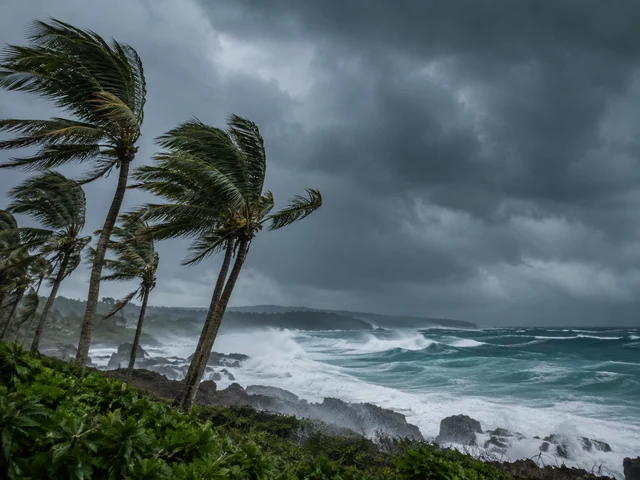
About 7.7 typhoons come near Okinawa in an average year. Most arrive from July to September, with August the peak at 2.2. October still averages 1.1, and November 0.3.
A typhoon can stop flights and ferries and close attractions for a day or two. If you travel from July to October:
- Keep a spare day before your flight home.
- Follow the Japan Meteorological Agency and your airline for updates, not social media.
- Check with your hotel and tour operators about their own rules for storm days.
We don't forecast storms. For any storm on the way, the JMA's warnings are the official source.
Big events worth timing your trip around
These are the big festivals and races with dates confirmed by their organizers. Smaller local events are in our fall and winter events list.
- Oct 31 – Nov 3Shuri Castle Reconstruction Festival, Naha. Royal-court processions at the castle and on Kokusai-dori, Naha's main street. Our Shuri Castle guide
- Nov 7–8Tour de Okinawa, the north. A cycling event and international road races around Nago, with road closures that weekend.
- Nov 7–8Ishigaki Island Festival, Ishigaki. Stage shows and stalls at Shinei Park, with a citizens' parade on November 8. Ishigaki City page (Japanese)
- Nov 23The rebuilt Shuri Castle main hall opens to the public from noon, Naha. Going inside needs a timed reservation. Our Shuri Castle guide
- Dec 6NAHA Marathon, Naha and the south. Entry is closed, but the crowds along the course make it a festival day. Our NAHA Marathon guide
- Jan 30–31, 2027Nago Cherry Blossom Festival, Nago. A town festival under the cherry trees, with a parade and food stalls. Our cherry blossom guide
- Feb 21, 2027Okinawa Marathon, Okinawa City. Race outline (Japanese)
As of October 2026, organizers' official sites
All season: the Ryukyu Golden Kings play home games from October to May. See our Golden Kings guide for the schedule and tickets.
Busy holidays in Japan. The holidays around the New Year (late December to January 3) and Golden Week (April 29 – May 5) are peak travel times inside Japan. Book flights and hotels early if your dates touch them. June 23 is Okinawa Memorial Day (Irei no Hi), a prefecture-wide day of remembrance; treat it as a quiet day.
Spring on the new nonstop

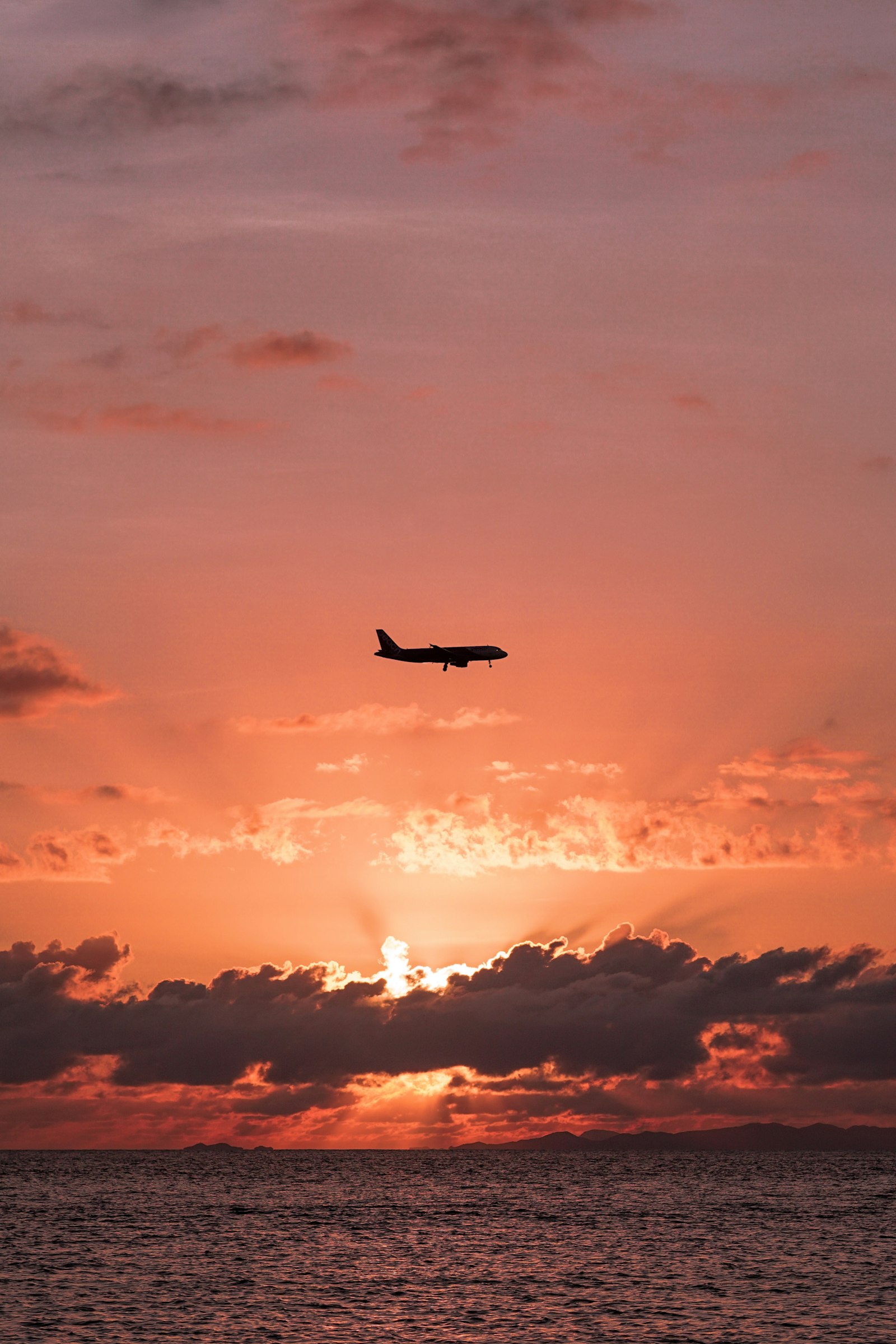
United plans to start nonstop flights from San Francisco to Naha on March 27, 2027, three times a week. Whether the route runs all year is not confirmed yet. See our SFO–Naha flight guide for the latest.
Landing in late March or April puts you in one of Okinawa's easier windows:
- Warm, not hot: average highs of 71°F in March and 76°F in April, with lows around 62–66°F.
- No typhoon season: JMA's 1991–2020 normals show no typhoons near Okinawa from January to March, and an average of 0.0 in April.
- Before the rain: the rainy season usually starts around May 10.
- Before the jellyfish advisory, which started June 1 in 2026.
- Basketball: the Golden Kings season is still on, with playoffs in May.
What you give up: the water is cooler than in summer, and some beaches may not have opened their swimming season yet. Check each beach's page.
Official info

- Japan Meteorological Agency (English): weather warnings and typhoon information
- JMA Naha climate normals (Japanese)
- JMA typhoon statistics (Japanese)
- JMA rainy season dates (Japanese)
- Okinawa Prefecture: box jellyfish advisory (Japanese; listed in the sources below)
Once you've picked your dates, the next step is where to sleep: see where to stay in Okinawa, or the 5-day itinerary from San Francisco for a ready-made plan.
Sources
- Japan Meteorological Agency — Naha climate normals 1991–2020 (Japanese)
- Japan Meteorological Agency — typhoon normals, approaches to the Okinawa region 1991–2020 (Japanese)
- Japan Meteorological Agency — rainy season start and end, with normals (Japanese)
- Okinawa Prefecture — 2026 box jellyfish advisory (Japanese)
- NOAA National Centers for Environmental Information — 1991–2020 monthly normals, San Francisco Downtown (USW00023272)
- Japan Meteorological Agency (English)
- Ishigaki City — 62nd Ishigaki Island Festival (Japanese)
- Okinawa Marathon — outline (Japanese)
- Shurijo Castle Park — Shurijo Castle Reconstruction Festival 2026 (Japanese)
- Shurijo Castle Park — main hall opening to the public (Japanese)
- Tour de Okinawa — outline (Japanese)
- NAHA Marathon official site
- Nago City Tourism Association — 64th Nago Cherry Blossom Festival (Japanese)
- Ryukyu Golden Kings official site (Japanese)
Corrections and updates
- 2026-10-19 — The month table showed 0.0 typhoons for January to March
- the Japan Meteorological Agency's normals show none in those months, so they now show –. The summary's best time is now labeled as our pick