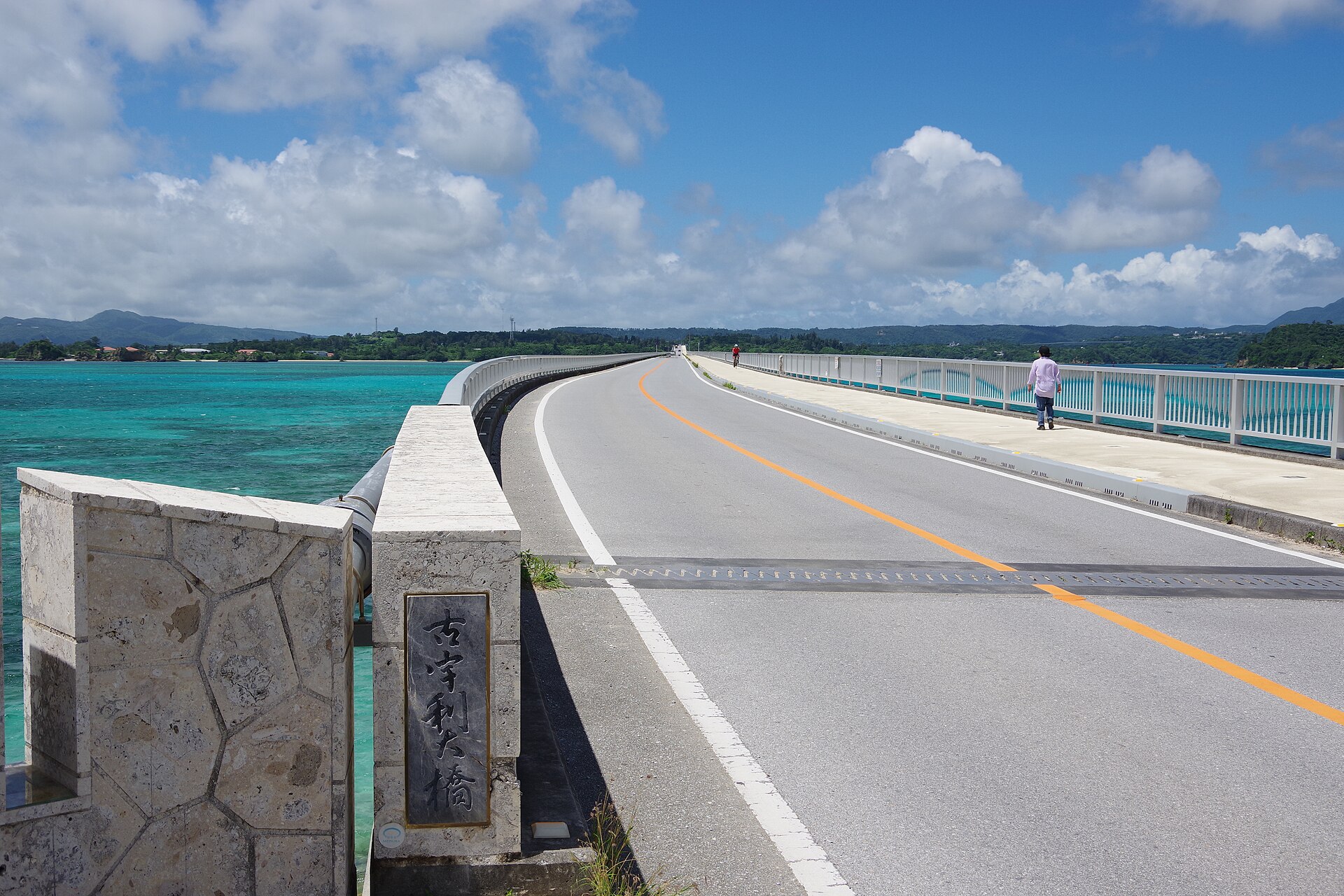
How to Choose a Tour in Okinawa: Snorkeling, Day Trips and What to Check Before You Book
Snorkel trip, dive, or a bus tour up to the aquarium? A plain checklist for picking an Okinawa tour that fits your group, what Okinawa's water-safety rules mean for you, and how weather cancellations work, with one company's official terms as a worked example.
- Check first
- language, age and swimming limits, what's included, cancellation terms, weather refunds, meeting point
- Sea tours
- ask if the operator has filed with Okinawa's Public Safety Commission
- Emergency at sea
- call 118
- Best time
- April to early May, or October (outside the jellyfish advisory and the typhoon peak)
The boat slows over a reef, the guide hands out masks and life jackets, and the water under you is clear enough to see the coral from the deck. Or you're on a bus out of Naha at a quarter past eight, heading for the aquarium two hours north. Either day can be the best one of your trip, if you picked a tour that fits your group.
This guide is a checklist for choosing well. It covers what to look for on a tour page, what Okinawa's water-safety rules mean for you, and what happens when the weather turns.
- First-time visitors without a car
- Families with kids or non-swimmers
- Anyone booking a snorkel or dive trip
- Travelers in summer and typhoon season
- Jun 1 – Sep 30Box jellyfish advisory in Okinawa (2026)
- 2.2Typhoons that come near Okinawa in an average August, the peak month
- 7.7Typhoons that come near Okinawa in an average year
- 118Japan's phone number for emergencies at sea
As of October 2026, Okinawa Prefecture, Japan Meteorological Agency (1991–2020 normals), Japan Coast Guard
How this guide works. We don't sell, arrange or book tours. We describe what to check and link to official pages. Your booking and contract are between you and the tour company, and this page is for reference only: we can't take responsibility for any booking, change or refund.
Types of tours in Okinawa
Most tours you'll find fall into four groups. Each suits a different kind of traveler.
| Tour type | What it usually is | Good for | Think twice if |
|---|---|---|---|
| Snorkeling | A guided swim at a reef or a cave, from a beach or a boat | Most swimmers, and many families | Someone in your group is afraid of open water |
| Diving | A first-time "try" dive with an instructor, or dives for certified divers | Swimmers who want more than snorkeling | You have a health condition; ask the company first |
| Day bus tours | A full day by coach to the north (the aquarium, Kouri Island) or the south | Travelers without a car | You'd rather set your own pace |
| Culture and history | Castle, history or food tours, often on foot or by bus | Rainy days, and anyone curious about Ryukyu history | Small kids who won't enjoy a long talk |
This table is our own way of sorting tours, not an official category list. What's included varies by company, so read each tour page.
Checklist before you book
Every tour page should answer these questions. If a page doesn't, ask the company before you pay.
| Check | Why it matters | Where to look |
|---|---|---|
| Language | Some guides speak only Japanese; some tours use a recorded audio guide | Tour page, or ask |
| Age and health limits | Snorkel and dive tours may set minimum ages and health rules | Tour page, FAQ |
| Swimming ability | Some sea tours expect you to swim; others are fine for non-swimmers in a life jacket | Tour page, or ask |
| What's included | Admission, gear, wetsuit, lunch, photos and insurance differ a lot | "Included / not included" section |
| Group size | Smaller groups mean more attention from the guide | Tour page |
| Meeting point and time | Missing the pickup can cost you the full price (it does in our example below) | Booking confirmation |
| Cancellation fees | When you cancel can change how much you get back | Terms or "cancellation policy" |
| Weather refunds | What happens when the company cancels for a typhoon or rough sea | FAQ or terms |
| Minimum numbers | Some tours need a minimum number of guests to run | Tour page |
Save the confirmation email and the company's phone number on your phone before the day, and plan how you'll reach the meeting point on time.
Sea tours: safety first
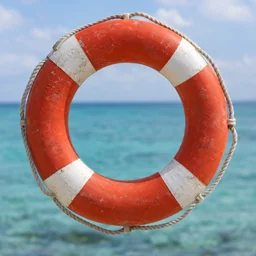
The sea around Okinawa is beautiful, and it's also where the prefecture's police focus a lot of their safety work.
Is the operator notified?
Under Okinawa's water-safety ordinance, anyone who runs a marine leisure business in the prefecture must notify Okinawa's Public Safety Commission. The prefectural police give snorkeling, diving, kayaking, stand-up paddleboarding and personal watercraft as examples. Running such a business without notifying is subject to penalties (as of October 2026, Okinawa Prefectural Police).
- Notified businesses: the police publish lists by category, including diving, snorkeling, canoe and similar rentals, boat rentals and beaches. The lists are in Japanese only, as Excel and PDF files.
- Safety-certified businesses: the Public Safety Commission also designates operators whose safety measures meet its standards. They're known as "Maru-yu" businesses, and the designation comes with its own mark.
- What you can do: the lists are hard to read without Japanese. Ask the company, in writing, whether it has filed its notification under the Okinawa water-safety ordinance. A safe operator will answer straight away.
The lists are on the Okinawa Prefectural Police site, in its section on safe leisure at sea and in rivers (Japanese).
The prefectural police's advice for swimmers
The police's water-safety page gives advice anyone on a sea tour should follow. In our words:
- Wear a life jacket or a buoyant wetsuit when snorkeling or paddleboarding. The police single out life jackets because many accidents involve people without one.
- Don't drink before going in the water, or go in when you feel unwell.
- Never go alone, and keep your group in sight.
- Watch children closely. Kids shouldn't be in the water without an adult.
- Stay away from the coast in a typhoon or bad weather. Currents and waves can be strong.
Box jellyfish and nets
Okinawa Prefecture runs a box jellyfish (habu-kurage) advisory from June 1 to September 30 (2026 dates). The prefecture's advice is to swim inside the nets at managed beaches and to cover your legs. On a sea tour, ask how the company handles jellyfish, and whether rash guards or wetsuits come with the price.
In an emergency at sea
Call 118. It's the Japan Coast Guard's emergency number for accidents at sea, and it works from mobile phones. Say when, where and what happened, calmly and briefly (Japan Coast Guard).
Day tours to the north
The big northern sights, the Okinawa Churaumi Aquarium and Kouri Island, are about two hours from Naha by car each way. Without a car, a day bus tour is the simplest way to see them. Before you book, check:
- Whether admission is included, or you pay at the gate.
- Lunch. Many tours leave you on your own for lunch.
- Where it picks you up and drops you off in Naha.
- How long the day is. The example tour below takes about 10 to 11 hours.
Our Churaumi and Motobu guide compares the tour with driving and the bus, and covers the aquarium's hours and admission.
The south and history tours
Southern Okinawa holds Shuri Castle, limestone caves and the sites that remember the Battle of Okinawa in 1945. Tours here range from castle walks to full-day coach trips. For the war memorial sites, look for a guide or audio guide in English, so the history doesn't get lost in translation.
If you join a tour that stops here, check whether the admission is in the tour price.
Booking direct vs. booking sites: one real example
Booking terms are set tour by tour, so a general rule would be misleading. Here's one company's official terms instead, so you can see what to look for. We have no business relationship with this company. We picked it because its English pages state the terms clearly.
The example: Jumbo Tours' "Okinawa Hip Hop Bus," A course. It's a day bus tour from Naha to the Churaumi Aquarium, Kouri Island, Cape Manzamo and Nago Pineapple Park.
Dollar figures use ¥157.81 per $1 (as of October 2, 2026, Federal Reserve). Treat them as rough.
What this shows. Even when you start on the tour company's own page, the booking itself may run through another site. So read the company's own terms, and also the page where you actually pay. If the two differ, ask the tour company which one applies before you book.
Weather cancellations: how it worked in our example

Typhoons and rough seas cancel tours in Okinawa, most often from July to September. Each company sets its own rules. Here's how the same company's FAQ describes it.
- Before the tourYou can email the company to ask whether the tour will run
- Up to the day beforeIf it's cancelled, a notice goes up on the company's homepage, and guests get an email
- If the company cancelsFull refund, with no cancellation charge
- OrMove to another date if seats are free, at no charge
As of October 2026, Jumbo Tours official site
The company also says it may stop a tour because of typhoons, and that stops can change order with the weather or traffic. Admission to a stop you couldn't enter, for weather or for your own reasons, isn't refunded (as of October 2026, official site).
This is one company's rule, not a general one. When you book any tour, find the answers to two questions: who decides to cancel, and what you get back when they do. A cancellation by the company is different from cancelling yourself, which usually costs a fee.
When to go
The best tour weather depends on what you're booking.
- April to early May, and October: warm, outside the jellyfish advisory, and before or after the typhoon peak. Good for both sea tours and bus tours.
- June to September: peak sea season. The box jellyfish advisory runs June 1 to September 30, and typhoons come near most often in July, August and September (an average of 2.2 in August). Leave a spare day in case a tour is cancelled.
- The rainy season usually runs from around May 10 to around June 21. Indoor plans help; see our rainy-day guide.
- Winter: the average high in Naha in January is 19.8°C (68°F). Bus and culture tours work well. For sea tours, ask whether a wetsuit comes with the price.
All weather figures are Japan Meteorological Agency normals for 1991–2020. For warnings during your trip, follow the Japan Meteorological Agency, not forecasts from other sources.
| Jan | Feb | Mar | Apr | May | Jun | Jul | Aug | Sep | Oct | Nov | Dec | |
|---|---|---|---|---|---|---|---|---|---|---|---|---|
| Avg high | 68°20°C | 68°20°C | 71°22°C | 76°24°C | 81°27°C | 86°30°C | 89°32°C | 89°32°C | 87°31°C | 83°28°C | 77°25°C | 71°22°C |
| Avg low | 59°15°C | 59°15°C | 62°17°C | 66°19°C | 72°22°C | 77°25°C | 81°27°C | 80°27°C | 78°26°C | 74°24°C | 69°20°C | 62°17°C |
| Rain | 4.0"102mm | 4.5"114mm | 5.6"143mm | 6.3"161mm | 9.7"245mm | 11.2"284mm | 7.4"188mm | 9.4"240mm | 10.8"275mm | 7.1"179mm | 4.7"119mm | 4.3"110mm |
| Typhoons | – | – | – | – | 0.4 | 0.6 | 1.5 | 2.2 | 1.9 | 1.1 | 0.3 | – |
| Rainy season | ● | ● | ||||||||||
| Box jellyfish | ● | ● | ● | ● | ||||||||
| Golden Kings | ● | ● | ● | ● | ● | ● | ● | ● |
- Typhoons: about 7.7 a year come near Okinawa, most in August and September. Flights and ferries can stop for a day or two — keep your plans flexible in late summer.
- Rainy season: around May 10 to around June 21 in a typical year.
- Swimming: Swim at managed beaches during their swimming season, when lifeguards keep watch and nets are set against box jellyfish. Many beaches have neither. Check the beach's official page before you go.
- Box jellyfish: advisory June 1 – September 30 (2026); most stings in July and August; swim inside the nets and cover your legs.
- Basketball: B.LEAGUE season runs fall to spring, with playoffs in May.
- The nonstop: United's SFO–Naha nonstop starts March 27, 2027, three times a week. Some reports say it is seasonal; that is not confirmed yet.
Climate: Japan Meteorological Agency, Naha climate normals 1991–2020. Typhoons: JMA normals. Jellyfish: Okinawa Prefecture, box jellyfish advisory. Checked 2026-10-10.
Booking
When you've found a tour that passes the checklist, book it on the tour company's own official page, or on the booking site the company itself sends you to. Book sea tours after your flights and hotel, and keep a free day near the end of your trip in case the weather moves things.
We don't sell or arrange tours, and we don't link to booking sites for a commission on this page. Your booking and contract are with the tour company. This guide is for reference only, and we can't take responsibility for bookings, changes or refunds.
Want to swim on your own instead? Our beach guide covers managed beaches, lifeguards and nets.
Sources
- Okinawa Prefectural Peace Memorial Museum — visitor information (Japanese)
- Jumbo Tours — company outline (Japanese)
- Okinawa Prefectural Police — safe leisure at sea and in rivers (Japanese)
- Okinawa Prefectural Police — flyer on checking notified operators (Japanese, PDF)
- Okinawa Prefectural Police — list of notified marine businesses (Japanese)
- Okinawa Prefectural Police — list of safety-certified marine businesses (Japanese)
- Japan Coast Guard — 118, the emergency number for the sea (Japanese)
- Okinawa Prefecture — box jellyfish advisory (Japanese)
- Japan Meteorological Agency — typhoon normals (Japanese)
- Japan Meteorological Agency — Naha climate normals (Japanese)
- Japan Meteorological Agency — English site
- Jumbo Tours (Okinawa Hip Hop Bus) — A course
- Jumbo Tours (Okinawa Hip Hop Bus) — FAQ
- Federal Reserve H.10 via FRED — USD/JPY