Sefa-utaki: Visiting Okinawa's Most Sacred Site (and Planning a Half Day in the South)
Sefa-utaki was the holiest place of the Ryukyu Kingdom, and it still is a place of prayer. Before you go, know the closed days, where tickets are sold, the house rules, and that most of the site is closed for drainage work from Nov 2, 2026 to Jan 5, 2027.
- Nov 2, 2026 – Jan 5, 2027
- everything past the first gate inside is closed for drainage work (entry free)
- Closed days
- Nov 9–11, 2026, Jun 5–7, 2027, Oct 29–31, 2027
- Tickets
- sold only at the Nanjo City Local Products Center, a 7–10 minute walk from the entrance
- Adult
- ¥600 (about $3.80)
- Time needed
- about 50–60 minutes, walk included
- Best time
- a dry morning, November to April


Read this first if you're going before January 6, 2027. From Monday, November 2, 2026 to January 5, 2027 (planned), the site closes everything past the Ujoguchi (御門口), the gate at the start of the path inside, for drainage work. Entry is free during the closure, and the site hands out a pilgrimage certificate only during this period. If seeing the sanctuaries is the reason for your trip, plan it for after the work ends. And the site is fully closed on November 9–11, 2026 for its own rest days (all as of October 2026, official site).
You leave the ticket window and walk for 7 to 10 minutes to a small building at the entrance. Inside, a short film shows you how to behave. Then the path turns to old stone paving, with steep slopes and steps, toward the places where the kings of Ryukyu once prayed.
Sefa-utaki (斎場御嶽) in Nanjo City, on the southeast coast of Okinawa's main island, was the most sacred site of the Ryukyu Kingdom, the island nation that ruled Okinawa before it became part of Japan. People still come here to pray. This guide covers the closed days, tickets, the house rules, how to get there, and how to fit it into half a day in the south.
- History and culture lovers
- Travelers collecting World Heritage sites
- Visitors with a car or a careful bus plan for the south
- 2000Listed as part of a UNESCO World Heritage site
- 6Sanctuaries ("ibi") inside the grove
- ¥600Adult admission (about $3.80), from Oct 1, 2026
- 50–60 minTypical visit, walk from the ticket window included


As of October 2026, Sefa-utaki official site
Why it matters
The official site calls Sefa-utaki the most important sacred place of the old kingdom. It ties into the kingdom's creation story, which credits the creator goddess Amamikyu. Kings and the kingdom's highest priestess, the Kikoe-okimi, came here on a royal pilgrimage through the east of the island.
The priestess's inauguration ceremony was held here. For state rituals, white sand was brought over from Kudaka Island, which the site calls the island of the gods, and spread across the ground.
In 2000, UNESCO listed the "Gusuku Sites and Related Properties of the Kingdom of Ryukyu." Sefa-utaki is one of the nine places in that listing, along with Shuri Castle.
The official English page also names two more sanctuaries, Ufugui and Yuinchi, and notes that the names match rooms at Shuri Castle.
Before you go: tickets, hours and closed days
Tickets are not sold at the entrance. You buy them at the Nanjo City Local Products Center (南城市地域物産館), next to its parking lot, then walk 7 to 10 minutes to the entrance building, called Midori no Yakata Sefa (all as of October 2026, official site).
The official pages give the distance two ways: about 500 m from the ticket window on the Japanese page, and about 400 m from the parking lot on the English page. Both say the walk takes 7 to 10 minutes (as of November 2026, official site).
| Ticket | Price (as of October 2026, official site) |
|---|---|
| Adults, 16 and over | ¥600 (about $3.80) |
| Children, 7 to 15 | ¥300 (about $1.90) |
| Children, 6 and under | Free |
| Groups of 20 or more | ¥500 (about $3.20) each |
Prices are as of October 2026, from the official site, and took effect on October 1, 2026. Dollar figures use ¥157.81 per $1 (as of October 2, 2026, Federal Reserve). Treat them as rough.
- Mar–OctOpen 9:00–18:00. Last ticket 17:15, last entry 17:30.
- Nov–FebOpen 9:00–17:30. Last ticket 16:45, last entry 17:00.
As of October 2026, Sefa-utaki official site
Closed days. The site closes twice a year for three days, on the 1st to 3rd of the fifth and tenth months of the old lunar calendar. The official reason is to keep the sacred place quiet and protect its nature. Because the lunar calendar moves, the dates change every year:
- Nov 9–11, 2026
- Jun 5–7, 2027
- Oct 29–31, 2027
- May 24–26, 2028
- Nov 16–18, 2028
(all as of October 2026, official site)
Closures for work. Part of the site has been closed since July 1, 2026. The official notice on that closure is mostly an image, so we couldn't read its details; check it before you go. A later notice says work ran between the three-way fork on the path and Yuinchi until November 1, with normal admission. From November 2 to January 5 the work moves to the stretch from the Ujoguchi gate to the fork, and everything past the gate closes (all as of November 2026, official site).
What you can still see before the Ujoguchi gate during that closure is unconfirmed — the closure notice doesn't say, so ask the site before you go.
How to visit respectfully
Sefa-utaki is not a theme park. It is a place where people pray today. The site's requests to visitors are clear, and these are the main ones (as of October 2026, official site):
- Watch the short manners film (about 3 minutes) at the entrance building before you go in.
- Cover up. Skip outfits that show a lot of shoulder, back or stomach. The site gives miniskirts, shorts and camisoles as examples.
- No high heels on the stone path. If you wear them, the entrance building lends you other shoes for free.
- Stay out of closed areas. That includes the altars and Sangui. Don't touch or move incense burners, jars or holy water.
- No food or drinks, not even gum or candy. A bottle with a cap that closes tightly is fine, so you can stay hydrated.
- No smoking or open flames, incense included. There is a smoking area before the entrance.
- No pets except guide, hearing and service dogs. No drones.
- Keep quiet. No loud talk, music, live streaming or phone calls.
- Don't walk while looking at your phone or camera.
- Leave the people who are praying alone. Don't talk to them or photograph them.
- Take nothing, bring nothing in. No plants, animals or stones in or out.
About photos. The site asks visitors to keep photography inside to a minimum. Posing for a photo with a sanctuary behind you means turning your back on the sacred place, so take extra care. Commercial use of photos or video shot inside needs permission from the Nanjo City Board of Education (as of October 2026, official site).
Guided tours. A local guide group walks the stone path with you and explains the myths and history, in about 50 to 60 minutes. Tours start between 9:00 and 16:00 and cost a base fee of ¥2,000 for 1–2 people, ¥1,000 per person for 3–19, and ¥800 per person for 20 or more (as of October 2026, official site). Ask when you book whether the ¥2,000 is per person or per group. Book by 5 p.m. two days ahead; the site also says same-day bookings may be taken if there's room. The official page doesn't say the tours are in English, so ask when you book. Whether tours run during the Nov 2 – Jan 5 closure is unconfirmed — the official tour page doesn't mention the closure, so ask when you book.
Getting there


By car. The official site puts it at about 30 km and about 50 minutes from Naha Airport. Parking for up to 150 cars is free. Park at the Local Products Center, where you buy your ticket (as of October 2026, official site). New to driving here? Read our guide to driving in Okinawa first.
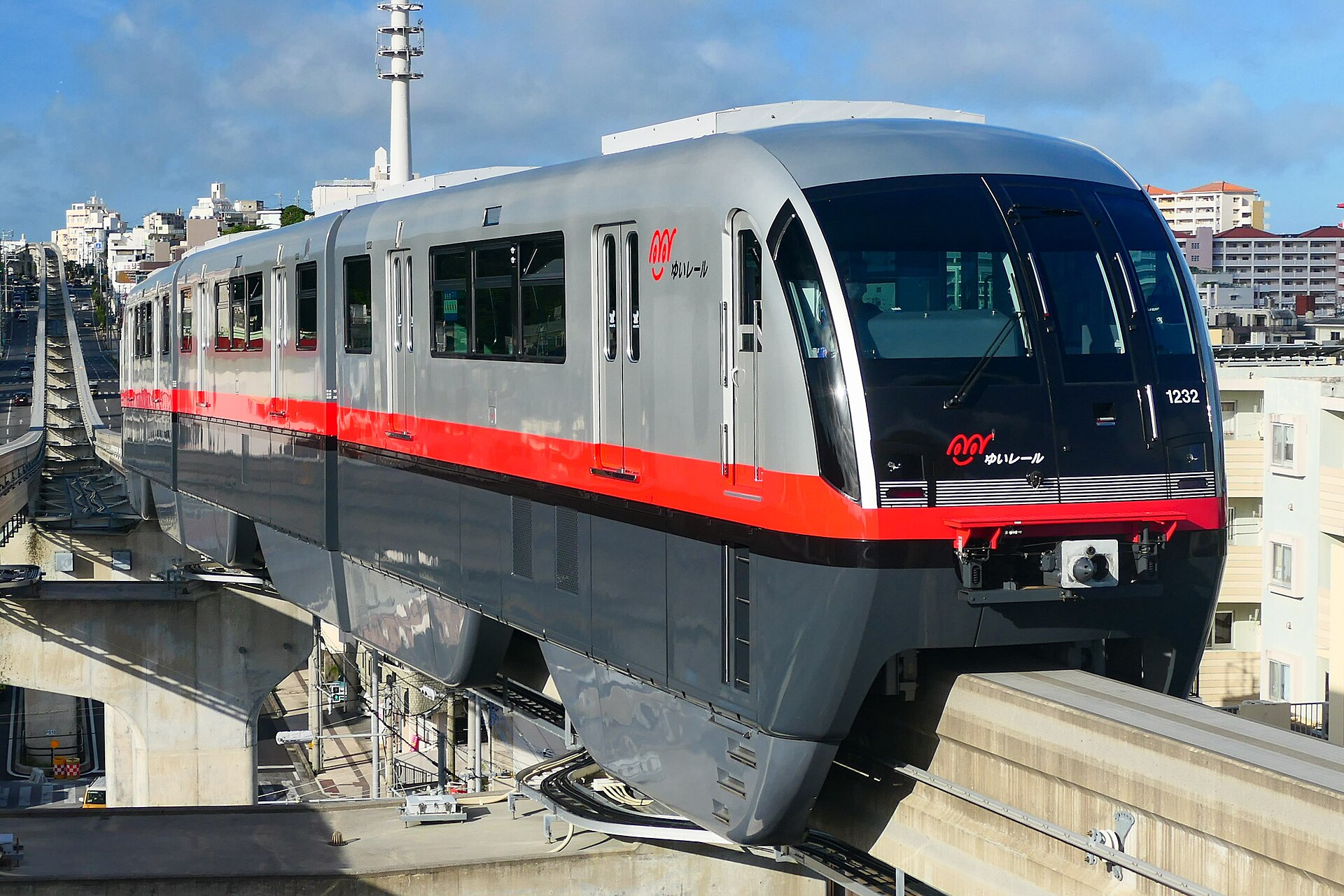
By bus. A direct bus leaves from Naha Bus Terminal, but only a few run each day. Weekend and holiday buses back stop early in the afternoon, so check the return bus before you set out.
- StartNaha Bus Terminal
Bay 7. Buses coming back from Sefa Utaki drop you off at bay 2.
- Bus 338 (Sefa Utaki Line)Toyo Busabout 60 min¥960
More about this ride
About 60 to 65 minutes. Very few buses: 3 a day on weekdays and 2 on Saturdays, Sundays and holidays, all in the morning or mid-afternoon. Coming back, the last bus from Sefa-utaki Iriguchi leaves at 16:40 on weekdays but at 12:50 on Saturdays, Sundays and holidays (as of October 2026, official timetables effective Dec 8, 2025, and fare table effective Apr 1, 2026). Plan your return before you go.
- Walktime unconfirmed
More about this ride
Where to buy the ticket and how long the walk from the stop takes are unconfirmed here. Check the official Sefa Utaki site before you go.
- Get offSefa Utaki


For reference only. Travel times depend on traffic, and routes and fares change. Check the operator's official site before you go (as of October 2026, official sites).
The official site also describes a route with a change at Nanjo City Hall onto the city's N Bus. For taxis, tours and the rest of the south without a car, see Okinawa without a car.
A half day in the south
Sefa-utaki takes about an hour. Three ideas to round out a half day:
- The free exhibition room at Ganju Station Nanjo (がんじゅう駅・南城). It shows exhibits and films about Sefa-utaki, with 13 screenings a day between 9:05 and 17:40 (as of October 2026, official site). The site suggests it for rainy days and for visitors who can't walk the path.
- Chinen Cape Park (知念岬公園), a city park out on the cape. A Nanjo City walking map puts it beyond the Local Products Center's second parking lot, where you buy your Sefa-utaki ticket. The city describes it as a park with a fine view over the Pacific, close to Sefa-utaki (as of November 2026, Nanjo City). Opening hours and fees: unconfirmed — check with Nanjo City.
- Okinawa World, a park built around the Gyokusendo limestone cave, also in Nanjo City. Hours and prices are in our rainy-day guide.
Good to know
When to go
Go on a dry day if you can, since the stone path gets slippery when wet. The rainy season in Okinawa usually runs from around May 10 to around June 21. Summer is hot: Naha's average high is 31.9°C (89°F) in July. Typhoons come most often in August and September, the two months with the most approaches, and the site may limit entry when warnings are out (Japan Meteorological Agency normals for 1991–2020).
From November to April, it's cooler, with average highs of 19.8–25.0°C (68–77°F) in Naha. But hours are shorter from November to February, and the drainage work closes most of the path until January 5, 2027. For most travelers, a dry morning from the end of the work (planned for January 5, 2027) through April is the easiest time.
| Jan | Feb | Mar | Apr | May | Jun | Jul | Aug | Sep | Oct | Nov | Dec | |
|---|---|---|---|---|---|---|---|---|---|---|---|---|
| Avg high | 68°20°C | 68°20°C | 71°22°C | 76°24°C | 81°27°C | 86°30°C | 89°32°C | 89°32°C | 87°31°C | 83°28°C | 77°25°C | 71°22°C |
| Avg low | 59°15°C | 59°15°C | 62°17°C | 66°19°C | 72°22°C | 77°25°C | 81°27°C | 80°27°C | 78°26°C | 74°24°C | 69°20°C | 62°17°C |
| Rain | 4.0"102mm | 4.5"114mm | 5.6"143mm | 6.3"161mm | 9.7"245mm | 11.2"284mm | 7.4"188mm | 9.4"240mm | 10.8"275mm | 7.1"179mm | 4.7"119mm | 4.3"110mm |
| Typhoons | – | – | – | – | 0.4 | 0.6 | 1.5 | 2.2 | 1.9 | 1.1 | 0.3 | – |
| Rainy season | ● | ● | ||||||||||
| Box jellyfish | ● | ● | ● | ● | ||||||||
| Golden Kings | ● | ● | ● | ● | ● | ● | ● | ● |
- Typhoons: about 7.7 a year come near Okinawa, most in August and September. Flights and ferries can stop for a day or two — keep your plans flexible in late summer.
- Rainy season: around May 10 to around June 21 in a typical year.
- Swimming: Swim at managed beaches during their swimming season, when lifeguards keep watch and nets are set against box jellyfish. Many beaches have neither. Check the beach's official page before you go.
- Box jellyfish: advisory June 1 – September 30 (2026); most stings June to September; swim inside the nets and cover your legs.
- Basketball: B.LEAGUE season runs fall to spring, with playoffs in May.
- The nonstop: United's SFO–Naha nonstop starts March 27, 2027, three times a week. Some reports say it is seasonal; that is not confirmed yet.
Climate: Japan Meteorological Agency, Naha climate normals 1991–2020. Typhoons: JMA normals. Jellyfish: Okinawa Prefecture, box jellyfish advisory. Checked 2026-10-10.
Official info

- Sefa-utaki official site (English)
- Sefa-utaki official site, with the latest news (Japanese)
- Requests to visitors (Japanese)
- Toyo Bus official site (Japanese)
Planning more of the trip? Start with Okinawa 101 or the 5-day itinerary from SFO.
Sources
- Sefa-utaki official site (English)
- Sefa-utaki official site (Japanese)
- Sefa-utaki — about the site and World Heritage listing (Japanese)
- Sefa-utaki — requests to visitors (Japanese)
- Sefa-utaki — photography (Japanese)
- Sefa-utaki — barrier-free information and exhibition room (Japanese)
- Sefa-utaki — guided tours (Japanese)
- Sefa-utaki — access and parking (Japanese)
- Sefa-utaki — area closure from Nov 2, 2026 for drainage work (Japanese)
- Sefa-utaki — admission fee revision from Oct 1, 2026 (Japanese)
- Sefa-utaki — partial closure from Jul 1, 2026 (Japanese)
- Toyo Bus — official site (Japanese)
- Japan Meteorological Agency — Naha climate normals (Japanese)
- Japan Meteorological Agency — typhoon normals (Japanese)
- Japan Meteorological Agency — rainy season normals (Japanese)
- Federal Reserve H.10 via FRED — USD/JPY
- Nanjo City — walking course map 2, Chinen Cape Park and Sefa-utaki (Japanese, PDF)
- Nanjo City — park and green-space redevelopment plan (Japanese, PDF)