Yachimun no Sato: Okinawa's Pottery Village in Yomitan
Yomitan is one of Okinawa's big pottery towns, and Yachimun no Sato is its best-known cluster of workshops. Here's what to know before you drive up, since each workshop keeps its own hours.
- What it is
- a cluster of independent pottery workshops in Yomitan Village
- Hours
- each workshop sets its own, so check before you go
- Getting there
- easiest by car, or bus 120 from Naha Bus Terminal to Oyashi Iriguchi for 1,130 yen (as of October 2026, official fare table), ride time and walk unconfirmed
- Big pottery market
- Yomitan Yachimun Market, held Feb 21–22 in 2026 at a different venue
- Best time
- a dry day, November to April

You're in a village with more than 70 pottery workshops, and a craft that locals trace back to 1617. Plates, bowls and cups here have their own Okinawan name: yachimun (やちむん).
Yachimun no Sato (やちむんの里, "the pottery village") is the best-known cluster of these workshops in Yomitan Village, in central Okinawa. It isn't a museum or a single shop with a ticket gate. It's a group of independent workshops, and that changes how you plan a visit. This guide covers what the place is, what to check before you go, and Yomitan's big pottery market.
- Travelers who like handmade dishes and crafts
- Visitors with a car and a free half day in central Okinawa
- Anyone looking for a souvenir they'll use every day
- 70+Pottery workshops across Yomitan Village, Yachimun no Sato included
- 1617Year pottery-making is said to have reached Yomitan, taught by Korean potters

As of October 2026, Yomitan Village official site
What Yachimun no Sato is
A pottery town, not a theme park. The village government counts more than 70 yachimun workshops spread across Yomitan, with Yachimun no Sato among them. It calls Yomitan one of the leading pottery areas in Okinawa Prefecture (as of October 2026, Yomitan Village official site).
An old craft here. By the village's account, potters from Korea taught the craft in Yomitan in 1617. The village also says it once had Kina-yaki (喜名焼), thought to be the oldest pottery in Okinawa, and old kilns to go with it. The village runs its own pottery research center, where residents can learn the craft.
Workshops, not a mall. Each workshop works and sells on its own. The village directs questions to the workshops themselves. Yachimun no Sato itself is a cluster of workshops. We couldn't open an official page with the exact count, so we don't give one here (unconfirmed).
Before you go
The single most useful thing to know: every workshop keeps its own schedule. There's no one opening time for the whole village. Plan around that.
- Check the workshop you most want to see. Yomitan Village runs a Japanese site, Tabi & Yachimun, that lists workshops and has a workshop map. Its latest workshop update was March 16, 2026 (as of October 2026). If a workshop page gives a phone number or a social media account, check it before you drive up.
- Have a backup. If one workshop is closed, others may be open. Don't make one workshop the only reason for the trip.
- Be a good guest. These are working studios. Ask before you photograph people or the work area, and handle pieces with care.
- Bring a way to carry pottery home. Wrap pieces well for the flight. Ask the workshop if it can pack them for travel.
A few things we couldn't confirm on an official page:
- Hours and closed days. Each workshop sets its own. We have no typical hours or closed days to give you (unconfirmed). Check the workshop's listing on Tabi & Yachimun, or its own phone or social media, before you go.
- Parking. We found no official parking information for Yachimun no Sato as a whole (unconfirmed). Some workshop listings on Tabi & Yachimun mention parking, so check the one you plan to visit.
- Cards. Whether workshops take cards is unconfirmed. Carrying some yen is a safe bet; see our cash and ATM guide.
Getting there

Most visitors drive. New to driving here? Read our guide to driving in Okinawa first.
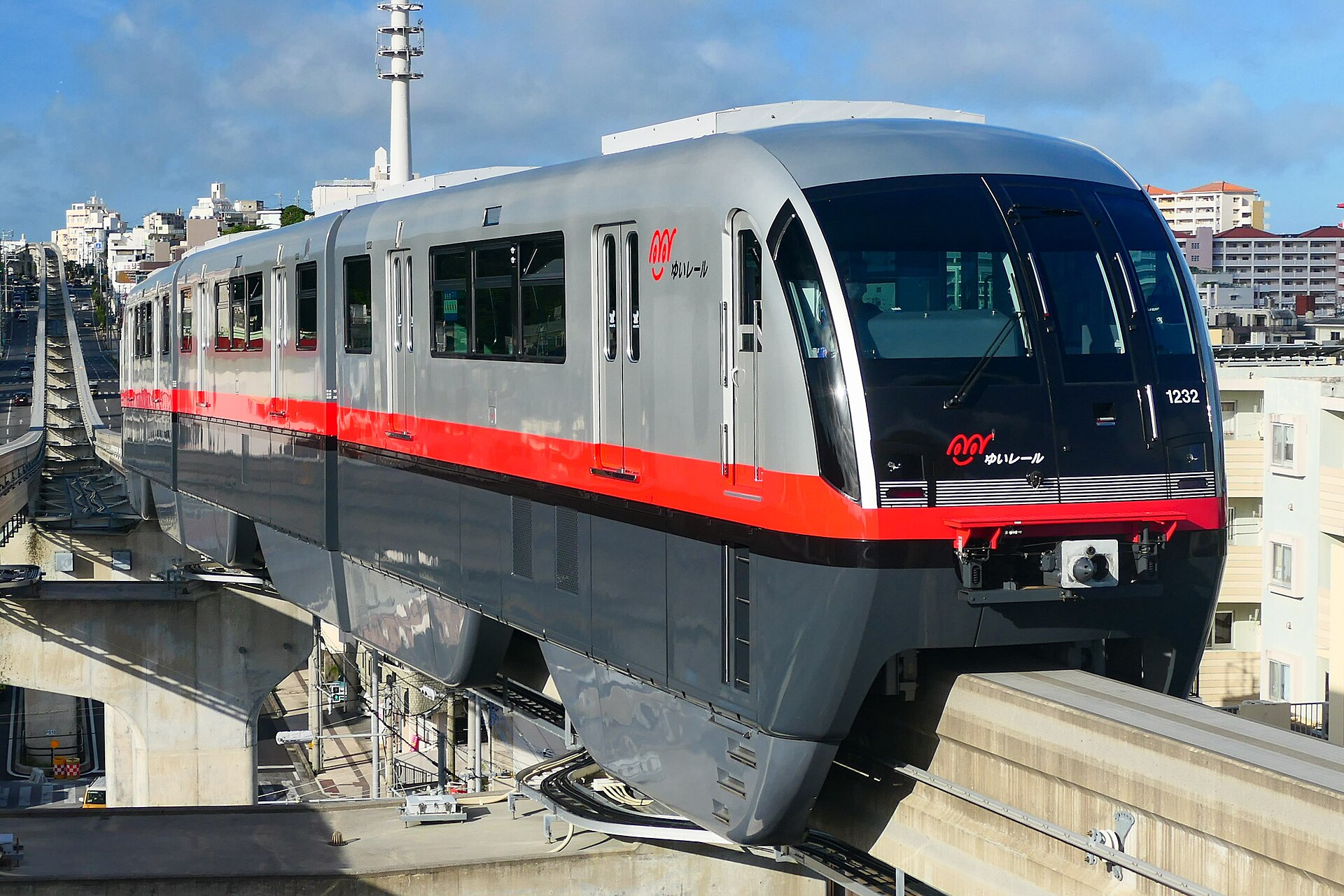
No car? Route 120 runs from Naha Bus Terminal (bay 11) and stops at Oyashi Iriguchi, and the fare is 1,130 yen (as of October 2026, official fare table). Two things we haven't confirmed: how long the ride to that stop takes, and whether it's the nearest stop and how long the walk is (both unconfirmed). Ask the driver, and check the official Yomitan sites before you go. Here's what we've checked so far:
- StartNaha Bus Terminal
Bay 11 at Naha Bus Terminal (official timetable). The bus comes from Naha Airport, so it does not start here.
- Bus 120 (Nago West Airport Line)Okinawa Bus / Ryukyu Bus Kotsu (joint)time unconfirmed¥1,130
More about this ride
Route 120 runs roughly every 30 to 45 minutes during the day, and Oyashi Iriguchi is one of its stops (official fare table, revised Apr 1, 2026). The official timetable does not list a time for Oyashi Iriguchi itself: buses reach Irabina, a few stops before it, about 75 to 90 minutes after leaving Naha Bus Terminal, and Ryukyu Mura, a few stops after it, about 85 to 100 minutes after, so plan on about an hour and a half (as of October 2026, official timetable effective Oct 19, 2026).
- Get offOyashi Iriguchi
- Change hereOyashi Iriguchi bus stop
- Walktime unconfirmed
More about this ride
That Oyashi Iriguchi is the closest stop, and how long the walk takes, are unconfirmed here: the Yomitan tourism association's access page was down when we checked. Ask the driver or check the official Yomitan sites before you go.
- Get offYachimun no Sato


For reference only. Travel times depend on traffic, and routes and fares change. Check the operator's official site before you go (as of October 2026, official sites).
For other options without a car, see Okinawa without a car.
Yomitan's pottery market
Once a year, many Yomitan potters sell at one big outdoor market. The village calls the Yomitan Yachimun Market (読谷やちむん市) one of the largest pottery markets in the prefecture. It is not held at Yachimun no Sato.
- Feb 21–22, 2026The 33rd market, Saturday and Sunday, 10:00–17:00
- VenueThe plaza in front of Yuntan Ichiba, the JA Okinawa farmers market in Kina, Yomitan
- 13:30Charity auction on both days
As of October 2026, Yomitan Village official site and market flyer
A few points from the 2026 flyer:
- Numbered tickets. Seven workshops handed out their own numbered tickets for buyers. Each workshop set its own rules.
- Weather. The organizers said bad weather or disasters could change or cancel the event.
- Run by a committee. A local organizing committee runs it, with support from the Yomitan Village Tourism Association and the village.
The 2027 dates have not been announced (as of October 2026). Check the Yomitan Village events page early in the year.
Want to see the work without shopping? In early 2026, the village's Yuntanza Museum at the Zakimi Castle ruins held a free exhibition of 99 pieces by 56 Yomitan potters, from February 7 to March 22 (as of October 2026, Yomitan Village official site). Whether it returns in 2027 is unconfirmed.
When to go
Go on a dry day if you can. You'll be walking between workshops outside, and summer is hot: Naha's average high is 31.9°C (89°F) in July. The rainy season usually runs from around May 10 to around June 21. Typhoons come most often in August and September, the two months with the most approaches (Japan Meteorological Agency normals for 1991–2020). In bad weather, check that your workshop is open before you set out.
From November to April, it's cooler, with average highs of 19.8–25.0°C (68–77°F) in Naha. December to April sees 0.0 typhoon approaches a month on average. If you'd like to shop the big market too, plan for when its dates come out.
| Jan | Feb | Mar | Apr | May | Jun | Jul | Aug | Sep | Oct | Nov | Dec | |
|---|---|---|---|---|---|---|---|---|---|---|---|---|
| Avg high | 68°20°C | 68°20°C | 71°22°C | 76°24°C | 81°27°C | 86°30°C | 89°32°C | 89°32°C | 87°31°C | 83°28°C | 77°25°C | 71°22°C |
| Avg low | 59°15°C | 59°15°C | 62°17°C | 66°19°C | 72°22°C | 77°25°C | 81°27°C | 80°27°C | 78°26°C | 74°24°C | 69°20°C | 62°17°C |
| Rain | 4.0"102mm | 4.5"114mm | 5.6"143mm | 6.3"161mm | 9.7"245mm | 11.2"284mm | 7.4"188mm | 9.4"240mm | 10.8"275mm | 7.1"179mm | 4.7"119mm | 4.3"110mm |
| Typhoons | – | – | – | – | 0.4 | 0.6 | 1.5 | 2.2 | 1.9 | 1.1 | 0.3 | – |
| Rainy season | ● | ● | ||||||||||
| Box jellyfish | ● | ● | ● | ● | ||||||||
| Golden Kings | ● | ● | ● | ● | ● | ● | ● | ● |
- Typhoons: about 7.7 a year come near Okinawa, most in August and September. Flights and ferries can stop for a day or two — keep your plans flexible in late summer.
- Rainy season: around May 10 to around June 21 in a typical year.
- Swimming: Swim at managed beaches during their swimming season, when lifeguards keep watch and nets are set against box jellyfish. Many beaches have neither. Check the beach's official page before you go.
- Box jellyfish: advisory June 1 – September 30 (2026); most stings June to September; swim inside the nets and cover your legs.
- Basketball: B.LEAGUE season runs fall to spring, with playoffs in May.
- The nonstop: United's SFO–Naha nonstop starts March 27, 2027, three times a week. Some reports say it is seasonal; that is not confirmed yet.
Climate: Japan Meteorological Agency, Naha climate normals 1991–2020. Typhoons: JMA normals. Jellyfish: Okinawa Prefecture, box jellyfish advisory. Checked 2026-10-10.
Official info

- Yomitan Village — traditional crafts, including yachimun (Japanese)
- Tabi & Yachimun — the village's pottery site and workshop map (Japanese)
- Yomitan Village — events, including the pottery market (Japanese)
- Yomitan Village Tourism Association (Japanese)
Building a trip around central Okinawa? See where to stay in Okinawa and our rainy-day ideas.
Sources
- Yomitan Village — traditional crafts: hanaori, yachimun and Ryukyu glass (Japanese, updated Sep 7, 2026)
- Tabi & Yachimun — Yomitan Village's pottery site, with a workshop map (Japanese)
- Tabi & Yachimun — workshop map (Japanese)
- Yomitan Village — 33rd Yomitan Yachimun Market (Japanese, updated Jan 23, 2026)
- Yomitan Yachimun Market 2026 flyer (PDF, Japanese)
- Yomitan Village — 2026 Yomitan Yachimun Exhibition at the Yuntanza Museum (Japanese, updated Feb 6, 2026)
- Yomitan Village Tourism Association — Yachimun no Sato (Japanese
- returned 503 on Oct 31, 2026)
- Japan Meteorological Agency — Naha climate normals (Japanese)
- Japan Meteorological Agency — typhoon normals (Japanese)
- Japan Meteorological Agency — rainy season normals (Japanese)